
The Ultimate Guide to Hairstyles That Perfectly Flatter a Square Chin and Jawline
Discover the best hairstyles for a square chin and jawline that soften angular features and enhance facial symmetry. This comprehensive guide provides expert tips for both men and women, focusing on cuts and styles that add height, volume, and gentle curves to balance the strong, chiseled structure of a square face. Learn which layers, bangs, and lengths work best to create a harmonious and attractive look, transforming your strong jawline into a statement of sophisticated beauty.
Understanding the Square Face Shape: Anatomy and Proportions
A square chin and jawline is a powerful, beautiful feature that conveys strength and definition. However, finding the right hairstyle is crucial to ensure this strong feature is complemented, not overwhelmed. The square face shape is characterized by several key features: nearly equal width across the forehead, cheekbones, and jawline; a broad, angular jaw with minimal curvature; and a flat, squared chin that creates strong horizontal lines.
The goal of a flattering haircut for a square chin is typically to soften the angles of the jaw and to lengthen the appearance of the face, creating a more oval, balanced look. This is achieved by introducing curves, volume, and strategic layering around the face. Understanding your exact facial proportions is the first step toward choosing the perfect hairstyle. Measure your face from hairline to chin and from cheekbone to cheekbone to determine your facial length-to-width ratio, which will guide your styling decisions.
Square faces often have prominent, well-defined features that can appear quite striking when properly framed. The key is to work with your natural bone structure rather than against it, enhancing what nature gave you while creating visual balance. Many of the world’s most celebrated beauties have square face shapes, from Angelina Jolie to Keira Knightley, demonstrating that this facial structure can be incredibly attractive when styled appropriately.
The Science of Facial Perception and Hairstyle Selection
Research in facial perception reveals that certain hairstyles can significantly alter how viewers perceive face shape and proportions. Studies using eye-tracking technology show that viewers’ eyes naturally follow lines and shapes created by hairstyles, which can either emphasize or de-emphasize certain facial features. For square faces, the ideal hairstyle creates vertical movement that draws the eye upward and downward, counteracting the horizontal emphasis of the strong jawline.
The principle of “facial golden ratios” suggests that faces approaching the 1.618:1 length-to-width ratio are perceived as most attractive. Hairstyles for square faces aim to create this proportion visually, even if the underlying bone structure differs. This explains why certain cuts consistently flatter square faces across different individuals—they create optical illusions that approximate ideal facial proportions.
Cultural differences in hairstyle preferences for square faces reflect varying beauty standards. In Western cultures, styles that soften the jawline are often preferred, while in some Asian cultures, embracing the angularity with sleek, geometric cuts has become fashionable. Understanding these cultural contexts helps explain why certain styles gain popularity and how global beauty trends influence individual choices.
Women’s Hairstyles for Square Faces: Comprehensive Guide
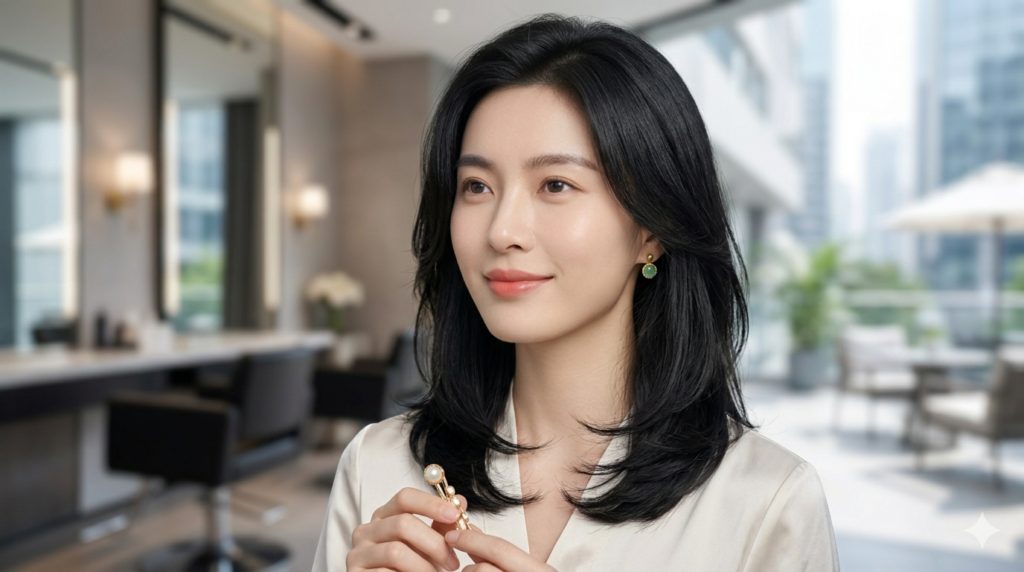
For women, the best hairstyles often involve length and movement. Long, layered cuts are a classic choice because the layers can be styled to fall around the jawline, gently diffusing the sharp corners. A length that falls below the chin or collarbone is ideal, as it draws the eye downward and elongates the neck. The weight of longer hair also helps to minimize the visual width of the jawline, creating a more balanced appearance.
Layering techniques specifically designed for square faces include:
- Graduated layers that are shorter at the crown and longer toward the ends, creating vertical movement
- Face-framing layers that begin at the jawline and curve gently toward the face
- Textured ends that break up solid lines and add softness around the jaw
- Asymmetrical layers that create diagonal lines to counteract horizontal jawlines
Each layering approach serves a specific purpose in balancing the square face shape. Graduated layers add height at the crown, lengthening the face visually. Face-framing layers direct attention toward the center of the face rather than the jawline corners. Textured ends prevent the hair from creating additional horizontal lines, while asymmetrical styles introduce movement that distracts from the face’s angularity.
The Power of Bangs: Strategic Forehead Framing
Bangs represent one of the most powerful tools for balancing a square face shape when chosen correctly. Side-swept bangs are particularly effective as they break up the horizontal line of the forehead and draw attention diagonally, softening the overall frame. The diagonal line created by side-swept bangs contrasts with the horizontal jawline, creating visual interest and balance.
Other effective bang styles for square faces include:
- Wispy, piecey bangs that soften the forehead without creating strong horizontal lines
- Curtain bangs that frame the face on both sides, drawing attention inward
- Arch-shaped bangs that follow the natural eyebrow curve, creating gentle arches
- Asymmetrical bangs that are longer on one side, creating diagonal movement
Avoid blunt, straight-across bangs, which can emphasize the squareness of the face by creating another strong horizontal line parallel to the jawline. Similarly, very short, heavy bangs can make the face appear boxier by shortening the forehead visually. The goal is always to create length and softness, not additional width or angularity.
Men’s Hairstyles for Square Faces: Modern Grooming Solutions
For men, the strategy is often to add height and volume on top to elongate the face, while keeping the sides relatively neat. A classic pompadour, a textured quiff, or a modern slick-back all work exceptionally well. These styles draw the eye upward, making the face appear longer and less square. The vertical emphasis created by height at the crown effectively counterbalances the strong horizontal jawline.
Contemporary men’s styles that flatter square faces include:
- Textured crops with longer length on top and tight sides
- Modern pompadours with disconnected undercuts
- Messy fringe styles that add height and movement
- Side-parted styles with volume through the crown
- Longer layered cuts that soften the jawline when worn down
Men with a square chin should generally avoid very short, buzzed cuts, as these can make the head look boxy and over-emphasize the jaw. Similarly, styles that add width at the sides, such as classic afros or very wide cuts, can amplify the squareness. The most flattering approaches maintain clean lines on the sides while building height and texture on top.
Beard and Facial Hair Strategies
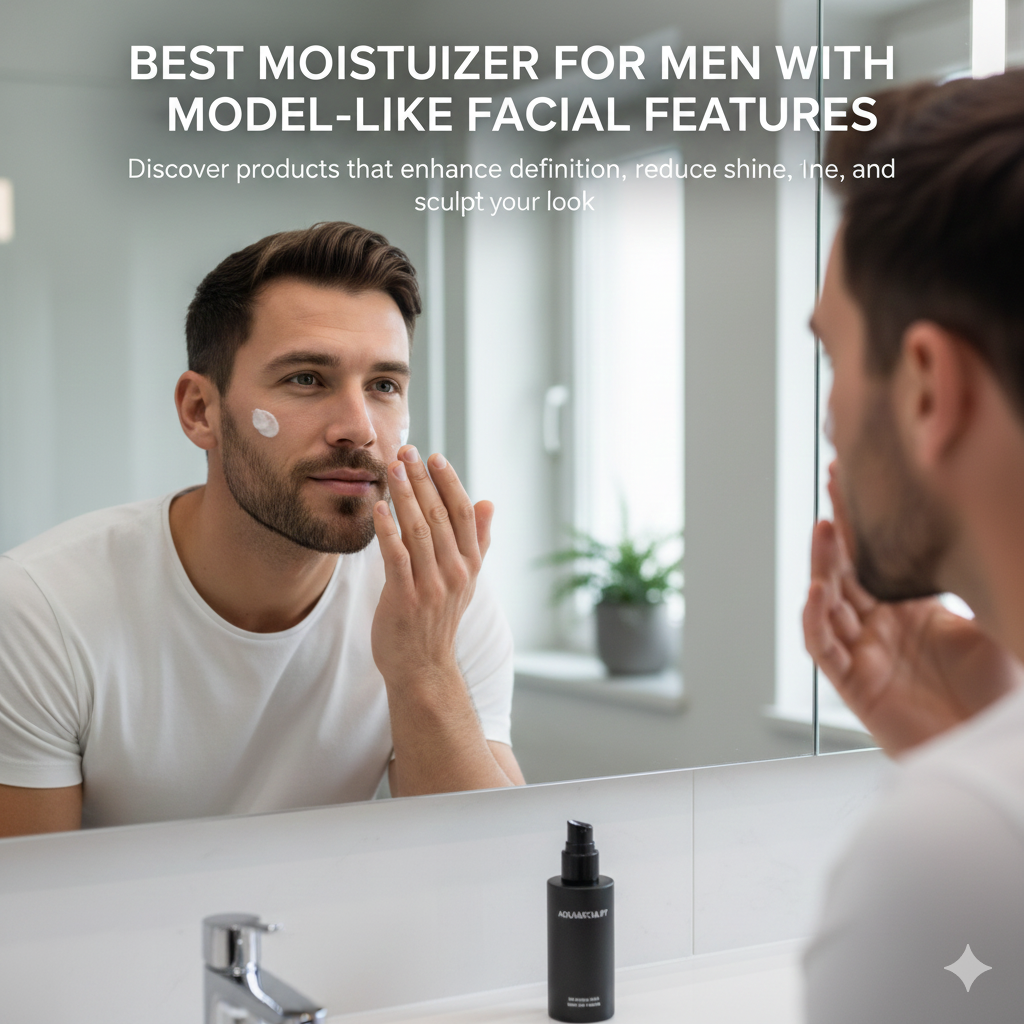
A well-groomed beard or strategic stubble can be used to subtly soften the jawline’s sharp edges, blending the chin into the neck. The right facial hair can completely transform how a square jawline is perceived, either by softening its angles or by enhancing its strength in a controlled manner. Understanding beard shapes and their effects on facial perception is crucial for men with square faces.
Effective beard styles for square jawlines include:
- Short, maintained stubble that blurs the jawline without adding bulk
- Rounded beard shapes that soften the corners of the jaw
- Goatees with curved edges that break up the square chin line
- Extended sideburns that create vertical lines along the face
- Balbo beards that separate the mustache from the chin hair
Avoid square-shaped beards or very heavy, wide beards that follow the jawline exactly, as these can emphasize the squareness rather than softening it. Similarly, extremely long beards can drag the face downward, counteracting the lengthening effect of well-chosen hairstyles. The most successful approaches use facial hair to create curves and movement that contrast with the face’s natural angles.