
The Fascinating Science of Linguistic Facial Development 🗣️
The idea that language shapes our facial appearance represents a revolutionary concept in aesthetic science.
Every language requires unique movements from articulatory organs including lips, tongue, jaw, and soft palate.
The constant, repetitive use of specific facial muscles to produce sounds creates subtle muscular adaptations over time.
This phenomenon influences local ideals of the model face aesthetic across different cultures and regions.
While language doesn’t alter bone structure, it significantly shapes the soft tissues that define expression and contour.
Romance Languages: The Art of Rounded Vowels 🇫🇷🇮🇹🇪🇸
Languages like French, Italian, and Spanish feature extensive use of rounded vowels and precise lip movements.
These phonetic characteristics engage specific facial muscles in distinctive patterns and frequencies.
The constant articulation creates muscular development that influences regional beauty preferences and standards.
- Muscular Engagement: Frequently activates orbicularis oris and zygomaticus major muscles through precise articulation.
- Aesthetic Influence: Develops more toned and expressive mouth areas with well-defined lip structure.
- Regional Preference: Softer, more expressive lower faces with mobile, animated expressions are favored.
- Model Standard: Lively, engaging gaze with mouth ready for graceful articulation becomes ideal.
Germanic Languages: Broad, Open Articulation 🇩🇪🇳🇱🇬🇧
German, Dutch, and English often require more open mouth postures and throat-based articulation.
These languages place different muscular demands that shape facial development in distinctive ways.
The resulting aesthetic preferences reflect these linguistic characteristics across Germanic cultures.
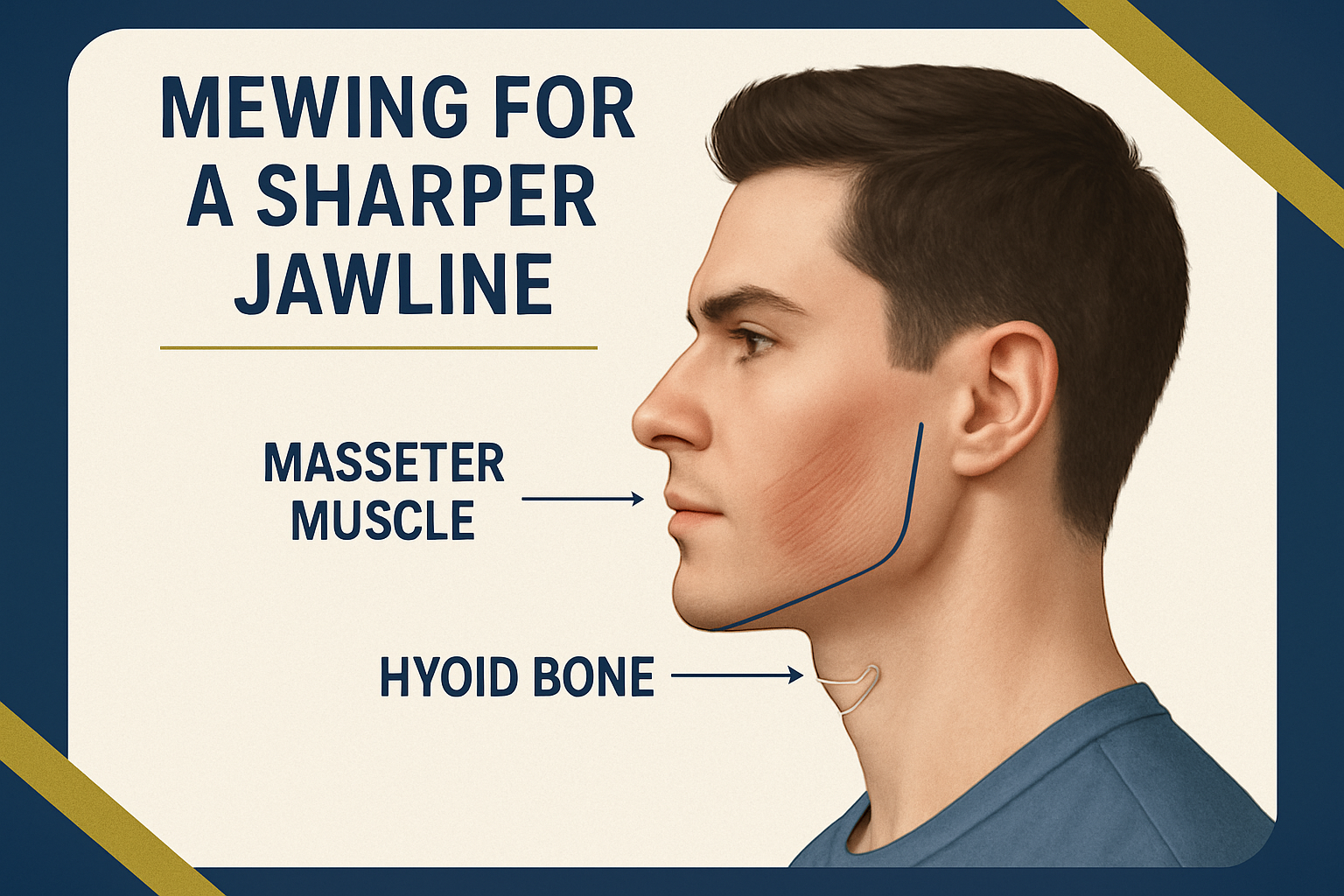
- Muscular Patterns: Engages masseter muscles and controls mouth opening width more extensively.
- Structural Influence: Develops more defined, angular jawlines through different muscular activation.
- Cultural Ideal: Leans toward stronger bone structure and more neutral resting expressions.
- Aesthetic Alignment: Complements Hunter Eyes and strong jawline preferences in these regions.
East Asian Languages: Tonal Complexity and Precision 🇨🇳🇯🇵🇰🇷
Tonal languages like Mandarin and Cantonese rely heavily on precise pitch control and subtle articulation.
These linguistic characteristics create unique muscular demands that influence facial development patterns.
The resulting aesthetic standards reflect these distinctive phonetic requirements and cultural preferences.
- Muscular Demands: Focuses on vocal cord control and subtle facial muscle adjustments for tone.
- Articulation Style: Involves less extreme lip rounding and jaw opening compared to European languages.
- Beauty Standard: Emphasizes delicate, balanced, and symmetrical facial proportions.
- Complexion Priority: Focuses on smooth, clear skin and harmonious overall facial proportions.
The Global Model Face: Converging Beauty Ideals 🌍
While linguistic habits create subtle regional differences, universal standards are increasingly emerging.
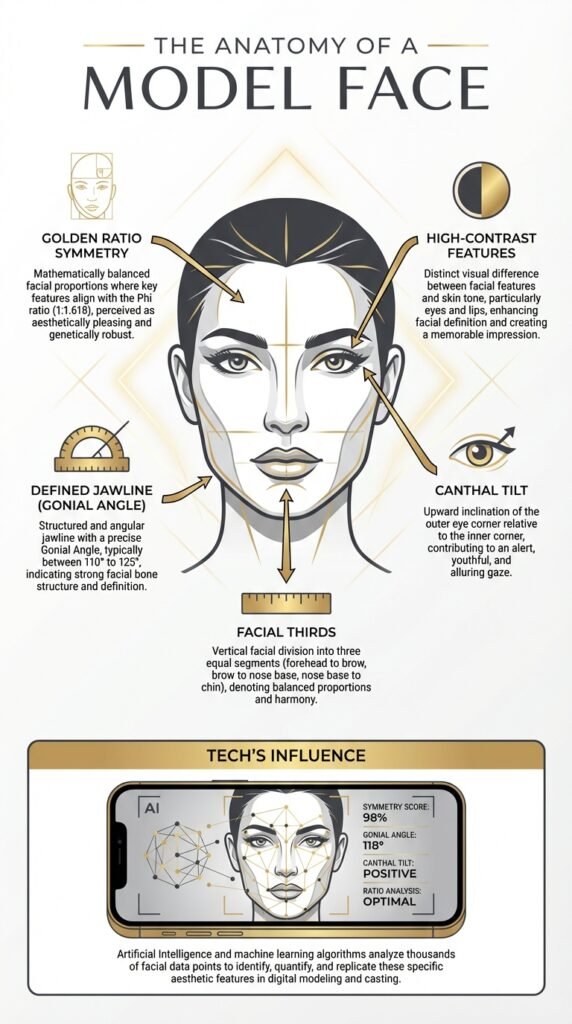
The global model face now represents a convergence of symmetry, proportion, and definition across cultures.
Understanding these universal traits helps appreciate both diversity and commonality in beauty standards.
| Aesthetic Trait | Linguistic Connection | Enhancement Methods |
|---|---|---|
| Defined Jawline | Tongue posture influences maxilla support | Facial exercises, masseter Botox, microcurrent |
| High Cheekbones | Zygomatic muscle engagement in speech | Gua Sha, facial massage, contouring |
| Facial Symmetry | Balanced muscle use during articulation | Myofunctional therapy, mindful habits |
The Golden Ratio (Phi – 1.618): This mathematical proportion recurs in discussions of universal beauty.
Faces approaching this ratio in certain measurements are consistently perceived as more attractive across cultures.
While language doesn’t directly alter bone structure to meet this ratio, it influences soft tissue presentation.
Mindful Speech and Facial Exercise Techniques 🏋️♀️
Conscious attention to speech patterns and targeted exercises can optimize facial aesthetics.
These practices help develop underutilized muscles and counteract repetitive strain patterns.
Strategic implementation can enhance natural features and support overall facial balance.
- Vowel Articulation Practice: Exaggerating A-E-I-O-U sounds engages comprehensive facial musculature.
- Tongue Posture Awareness: Conscious practice of proper tongue positioning supports mid-face structure.
- Facial Yoga Integration: Targeted exercises tone specific muscles and release chronic tension.
- Articulation Precision: Mindful pronunciation develops desirable muscular patterns over time.
Neuroscience of Language and Facial Development 🧠
Recent research reveals fascinating connections between language processing and facial muscle development.
Understanding these mechanisms provides deeper insight into how speech shapes our appearance.
These scientific discoveries help explain the profound link between language and aesthetics.
- Mirror Neuron Activation: Brain cells fire during both speech production and observation, reinforcing patterns.
- Muscle Memory Formation: Repetitive speech creates lasting muscular imprints affecting resting posture.
- Cultural Reinforcement: Beauty standards often reflect common facial characteristics among native speakers.
- Neural Pathway Development: Frequent articulation strengthens specific neural-muscular connections.
Practical Applications for Aspiring Models 🌟
Understanding linguistic influences provides strategic advantages for modeling career development.
Conscious application of these principles can enhance marketability across international markets.
Strategic adaptation to different aesthetic standards becomes more achievable with this knowledge.
- Accent and Language Training: Learning multiple languages develops diverse facial muscle groups.
- Conscious Articulation Practice: Mindful pronunciation develops desirable facial characteristics.
- Cross-Cultural Adaptation: Understanding different linguistic patterns aids international market success.
- Portfolio Diversification: Showcasing adaptability to different aesthetic standards increases opportunities.
Future Trends in Global Beauty Standards 🚀
Increasing global connectivity is transforming traditional beauty ideals and standards.
Understanding these evolving trends helps anticipate future directions in modeling and aesthetics.
The intersection of language, culture, and beauty continues to evolve in fascinating ways.
- Hybrid Aesthetic Emergence: Blending facial characteristics from different linguistic backgrounds.
- Digital Standardization: Social media creates new beauty ideals transcending traditional boundaries.
- Medical Tourism Influence: Globalization of cosmetic procedures creates more universal facial ideals.
- Cultural Exchange Acceleration: Increased mobility spreads diverse beauty standards more rapidly.
Explore the scientific research on facial attractiveness and universal preferences.
Learn about cross-cultural facial preference studies and their findings.
Discover the Golden Ratio in facial aesthetics and its mathematical basis.
Strategic Implementation for Personal Development 💫
Applying linguistic awareness to personal aesthetic development offers significant benefits.
Conscious integration of these principles can enhance natural features and overall appearance.
Strategic practice creates opportunities for optimized facial development and presentation.
- Language Learning Strategy: Select languages that develop desired facial muscle groups.
- Articulation Mindfulness: Practice conscious pronunciation to shape muscular development.
- Cross-Cultural Awareness: Understand how different languages influence beauty standards.
- Adaptive Presentation: Adjust facial expression and articulation for different cultural contexts.
The Evolution of Beauty in a Connected World 🌐
The relationship between language and facial aesthetics continues to evolve with globalization.
Understanding these dynamics provides valuable insight into future beauty standards and trends.
The interconnected nature of modern society accelerates the exchange and blending of aesthetic ideals.
While linguistic influences on the model face remain subtle, they highlight profound connections between daily habits and physical appearance.
By understanding muscular demands of speech and combining this knowledge with targeted beauty therapies, individuals can actively work toward globally desired aesthetic goals.
The linguistic face represents a fascinating intersection of biology, culture, and personal development in modern aesthetics.
This understanding empowers more conscious and strategic approaches to facial enhancement and personal presentation across diverse cultural contexts.
—
🚀