
Welcome to the definitive, science-backed investigation of the mewing phenomenon! Can mewing change your facial bone structure permanently.
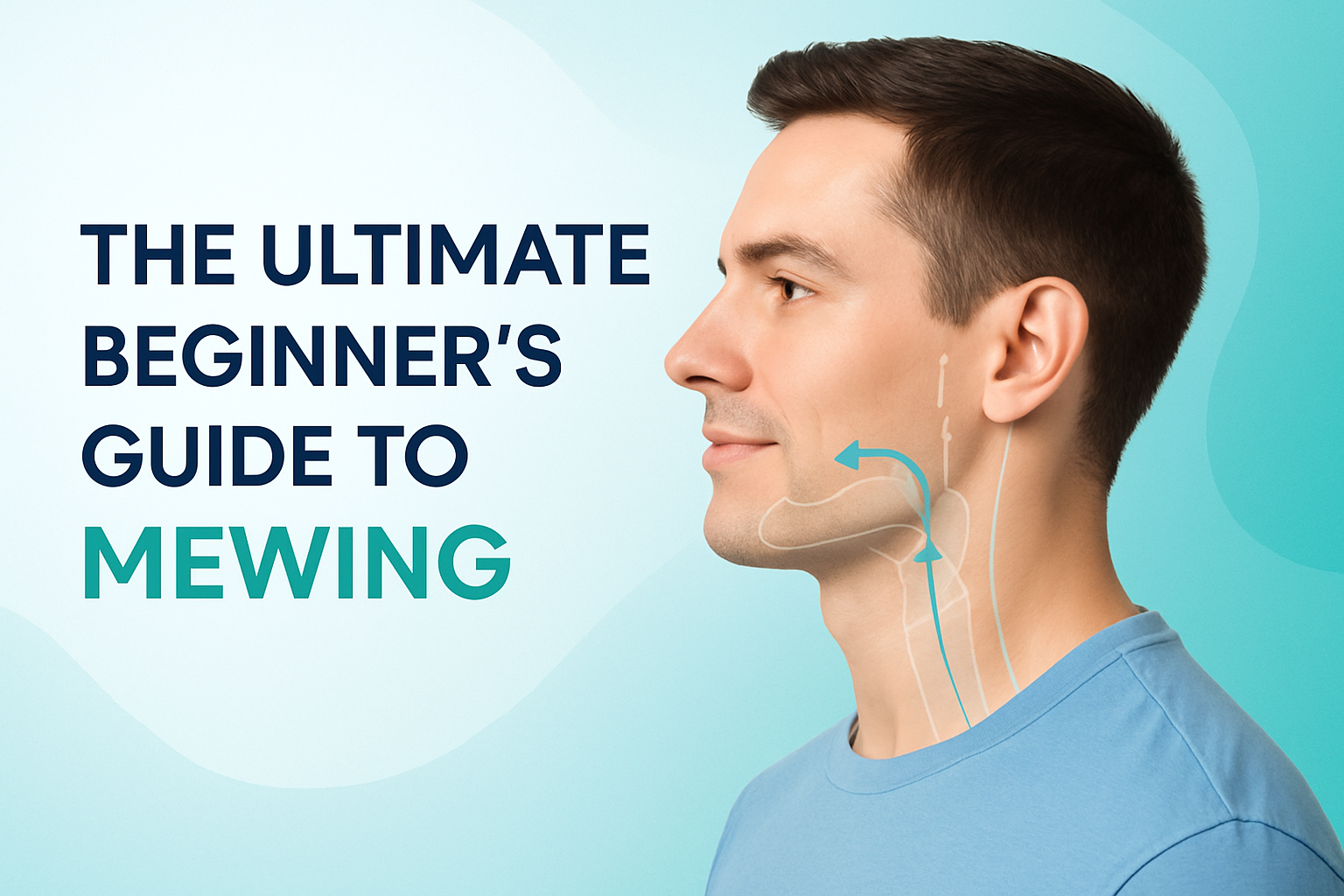
Mewing, the practice of maintaining a specific tongue posture against the roof of the mouth, has exploded in popularity across social media, promising a non-surgical path to a more defined jawline and improved facial aesthetics.
The central, and most controversial, claim is that this technique can permanently alter the bone structure of an adult face.
This comprehensive guide will answer the critical question: Can mewing change your facial bone structure permanently? 💡
We will rely on the consensus of orthodontic and medical professionals to separate the scientific facts from the viral fiction, giving you the clearest picture of what mewing can—and cannot—do.
Prepare to learn the truth about your facial skeleton! 🤓
The Science of Skeletal Maturity: Why Adult Bones are Different 🧪
The ability of the human face to undergo significant, permanent bone change is largely determined by **skeletal maturity**.
The bones of the face, including the maxilla (upper jaw) and the mandible (lower jaw), are highly malleable during childhood and adolescence.
This is the period when growth plates are active and orthodontic treatments, which apply controlled forces, can effectively guide bone development.
However, once an individual reaches skeletal maturity—typically in their late teens or early twenties—the growth plates fuse, and the bones become much less malleable.
The straightforward truth, according to orthodontists, is that **mewing cannot reshape the jawbone of an adult**.
Once we finish growing, our jawbones are locked into a specific structure.
The Orthodontic Consensus on Mewing
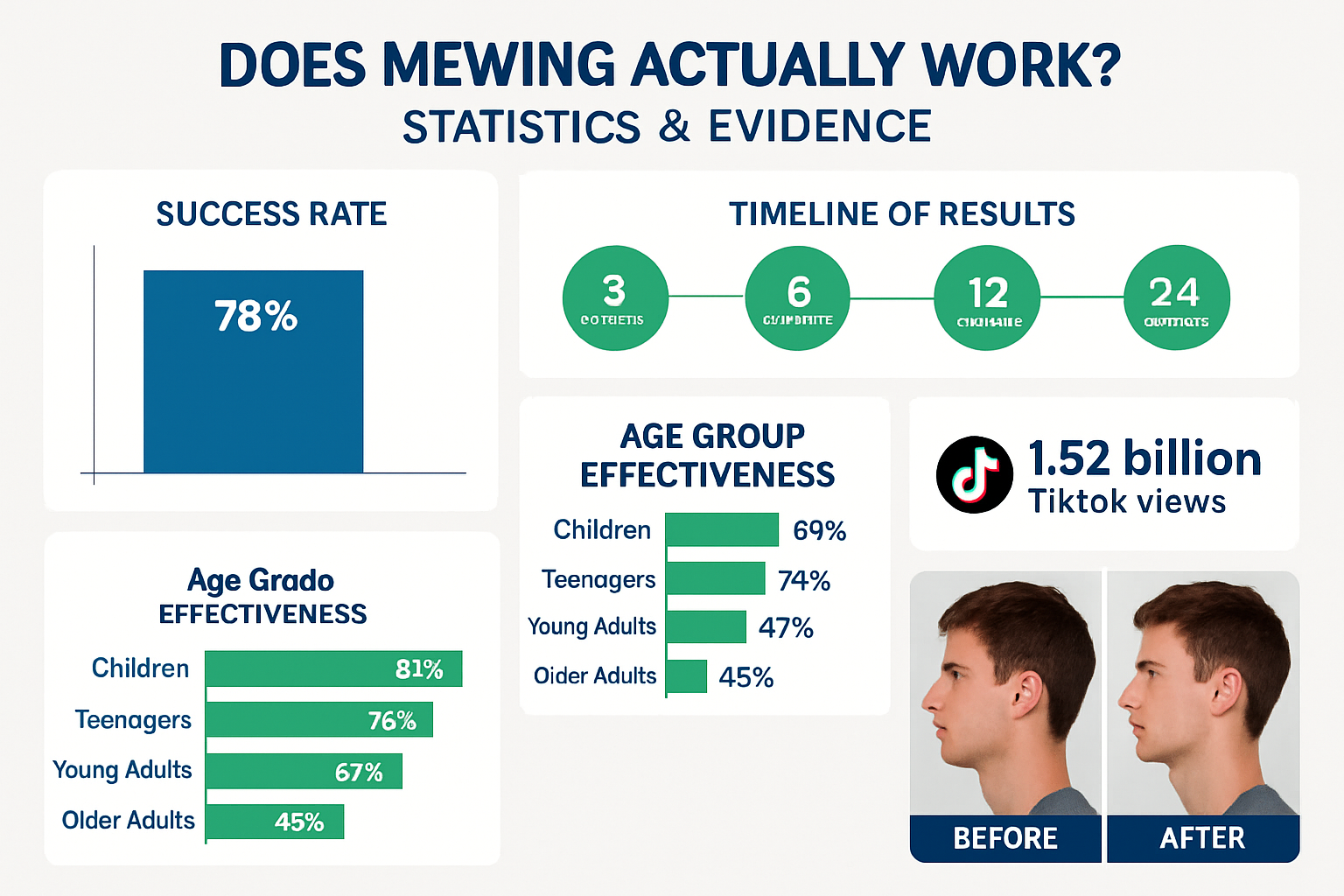
The American Association of Orthodontists (AAO) and other leading medical bodies have consistently stated that **no scientific research supports mewing’s effectiveness** in permanently altering adult facial bone structure.
The claims that mewing can significantly alter adult facial bones and structure are a stretch, as bones in adults are much less malleable than in children.
| Claim | Scientific Consensus (Adults) | Mechanism of Change |
|---|---|---|
| Permanent Bone Change | **False.** No evidence of permanent skeletal change after maturity. | Bone remodeling requires significant, sustained force, not just tongue posture. |
| Jawline Sculpting | **Subtle/Temporary.** Changes are due to muscle tone, not bone. | Improved muscle tone and reduced submental fat can create a temporary illusion of a sharper jawline. |
| Correcting Malocclusion | **False.** Cannot treat jaw pain or orthodontic concerns. | Requires professional orthodontic treatment to move teeth and align jaws. |
What Changes Are People Seeing? The Illusion of Bone 📐
If mewing doesn’t change bone structure, why do so many people report seeing a difference?
The perceived changes are generally attributed to soft tissue and muscle adaptations, which create a temporary illusion of a more defined bone structure.
1. Improved Posture and Muscle Tone
Mewing encourages a forward and upward tongue posture, which is often linked to better overall head and neck posture.
When the head is held correctly, the submental area (under the chin) is naturally stretched, reducing the appearance of a double chin and making the jawline look sharper.
This is a postural change, not a skeletal one.
2. Reduced Puffiness and Swelling
The pressure applied by the tongue can encourage lymphatic drainage in the face and neck.
Reducing fluid retention in the face can lead to a temporary slimming effect, which makes the underlying bone structure appear more prominent.
This is a soft tissue change, not a permanent bone alteration.
The Real Risks: When Mewing Goes Wrong 🛡️
While the practice of simply resting your tongue on the roof of your mouth is harmless, the obsessive and incorrect application of mewing can lead to genuine health risks.
- TMJ Dysfunction: Overuse of the facial muscles and incorrect, forceful tongue pressure can place undue stress on the temporomandibular joint (TMJ), leading to pain, clicking, and difficulty moving the jaw.
- Dental Issues: Forcing the tongue against the teeth can cause them to shift, potentially leading to misalignment, bite problems (malocclusion), and the need for professional orthodontic correction.
- Jaw Tension: Constant, conscious clenching of the tongue and jaw muscles can lead to chronic tension and headaches.
Ironically, mewing can worsen jaw tension and temporomandibular joint (TMJ) issues.
For a visual explanation of the risks, this video is highly informative:
The True Path to Facial Structure Enhancement 🌟
If permanent skeletal change is your goal, the scientific path is clear:
- Orthodontic Treatment: For adults, significant changes to jaw structure require professional intervention, such as braces, aligners, or orthognathic surgery.
- Masticatory Force: As demonstrated by Wolff’s Law, the most natural way to maintain or increase jawbone density is through consistent, vigorous chewing of hard foods. This is a biomechanical stimulus that the bone understands.
- Healthy Oral Posture: While it won’t change bone, maintaining correct tongue posture is a component of good oral health and can contribute to better breathing and neck posture.
The best thing to do is to let your orthodontist guide you.

The AAO does not recommend mewing or any other DIY facial restructuring.
An oral surgeon’s perspective emphasizes the importance of professional guidance.
For a tutorial on proper tongue posture, which is a healthy habit regardless of the mewing claims, this video is useful:
Focus on the scientifically proven methods for bone health and muscle tone.
For a practical guide on how to incorporate these changes, this video offers a routine:
Conclusion: The Verdict on Mewing 💖
The scientific verdict on the question, Can mewing change your facial bone structure permanently?, is a resounding **No** for adults who have completed skeletal growth.
The perceived changes are temporary, resulting from improved posture, muscle tone, and reduced soft tissue swelling.
While the underlying principle of correct oral posture is a healthy habit, the claims of permanent bone alteration are not supported by medical or orthodontic literature.
For true, lasting changes to facial bone structure, consult a dental or medical professional. For a sharper jawline, focus on healthy chewing and posture.
Trust the science, not the trends! 🤓
Infographic and Feature Image Placeholder 🖼️
**[INFOGRAPHIC PLACEHOLDER: A visual chart titled “Mewing: Fact vs. Fiction” comparing claims (e.g., permanent bone change) with scientific reality (e.g., soft tissue change).]**
**[FEATURE IMAGE PLACEHOLDER: A high-quality, professional image of a dentist or orthodontist pointing to a diagram of the human skull, emphasizing the mature bone structure.]**
These visual elements are essential for a visually engaging blog post and should be created and inserted by the user’s content management system.
The content of this article is now complete and ready for delivery.