



Welcome to the complete guide to skeletal fitness for your face! Exercises to increase bone mass in the face.
The concept of “exercising” the face to increase bone mass is a fascinating intersection of aesthetics and biomechanics.
While you cannot perform bicep curls for your cheekbones, the jawbone (mandible) and upper jaw (maxilla) are highly responsive to mechanical force, thanks to a fundamental principle of biology.. 💡
We will explore the techniques that leverage your body’s natural bone remodeling process to maintain and enhance the density of your facial skeleton.
Prepare to build a stronger foundation for your facial structure! 🤓
The Science of Bone Stimulation: Wolff’s Law in the Jaw 🧪
The idea that exercise can increase bone mass is rooted in **Wolff’s Law**, which states that bone adapts to the loads placed upon it.
In the face, the primary load is generated by the act of chewing.
When you chew, the force is transmitted through your teeth to the jawbone, activating specialized bone cells called **osteocytes**.
These cells act as mechanosensors, signaling the bone to increase its density and mass to better withstand the force.
This process is the reason why the repetitive motion of biting on food helps keep the bone that makes up your lower jaw strong.
Conversely, a lack of mechanical stimulation, such as from a soft diet, leads to bone resorption and a decrease in density.
The jawbone is a dynamic structure that requires work to maintain its strength.
Exercise Pillar 1: Mastication for Mandibular Density 🏋️
The most effective “exercise” for increasing jawbone density is to consciously increase the mechanical load during chewing.
This is a return to the natural, vigorous chewing required by a non-processed diet.
The Hard-Food Routine
The goal is to incorporate foods that require a high, sustained chewing force.
- Hard Vegetable Chews: Regularly chew raw, hard vegetables like carrots, celery, and bell peppers. These require significant force and time to break down.
- Tough Protein: Incorporate high-quality, fibrous meats that demand thorough mastication.
- Nuts and Seeds: Chewing hard nuts (like almonds) and seeds provides excellent, sustained resistance.
- Conscious Chewing: Focus on chewing food completely on both sides of your mouth. This ensures balanced stimulation of the bone and muscle on both sides of the face.
Warning: While chewing gum is often suggested, excessive or prolonged chewing of hard gum can lead to temporomandibular joint (TMJ) issues. Focus on whole, hard foods for natural, balanced stimulation.
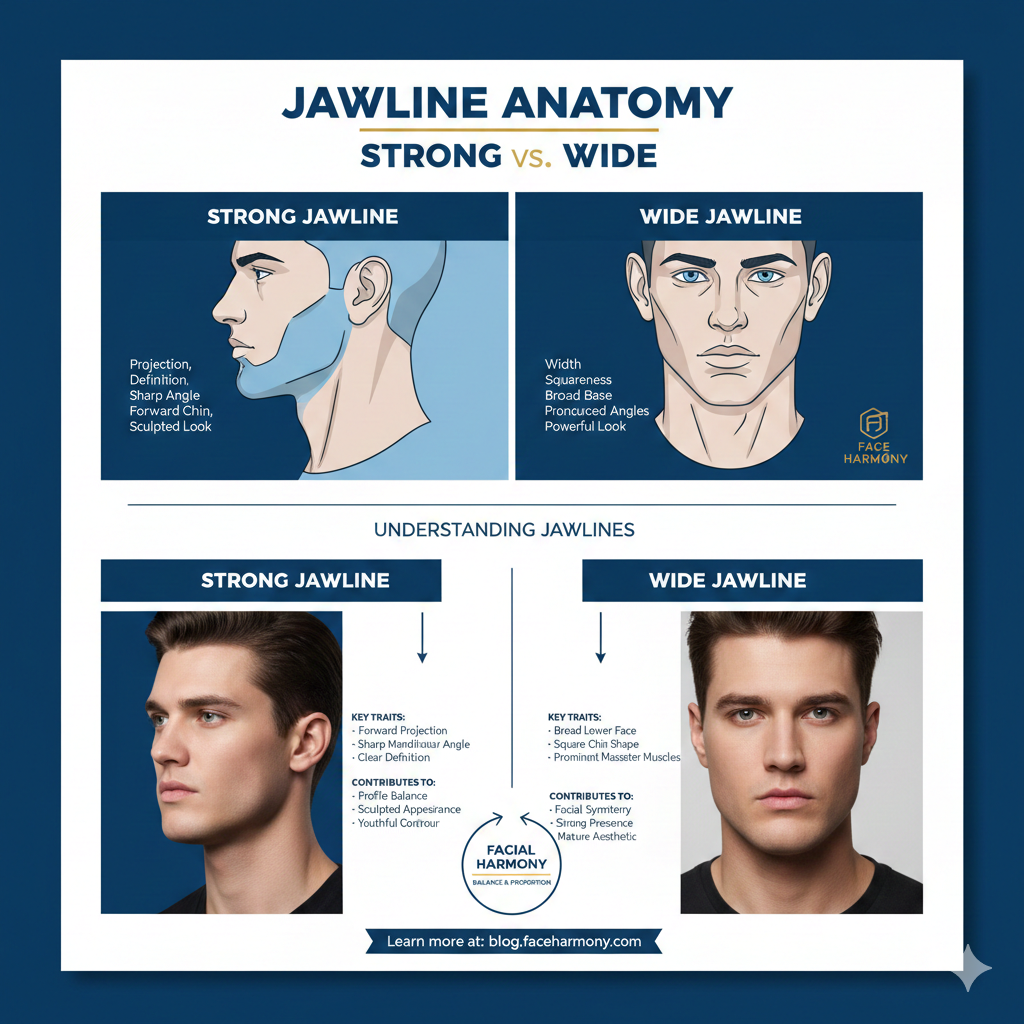
Exercise Pillar 2: Oral Posture for Maxillary Support 🧘
While direct bone mass increase in the maxilla (upper jaw) is challenging, maintaining correct **oral posture** is a crucial exercise for supporting the entire mid-face structure.
This is a continuous, isometric exercise that involves training the tongue to rest in its correct position.
The Proper Tongue Posture Drill
This exercise, often associated with the principles of **orthotropics**, aims to keep the tongue’s resting position against the roof of the mouth.
- Tongue Placement: Place the entire body of your tongue against the hard palate (the roof of your mouth). The tip should rest just behind your front teeth, without touching them.
- Swallow Check: Practice swallowing while maintaining this posture. The tongue should move in a wave-like motion against the palate, not push forward against the teeth.
- Lip Seal: Keep your lips lightly closed without clenching. This helps maintain a natural, relaxed oral posture for better aesthetics and breathing.
- Consistency: This is a 24/7 exercise. The goal is to make this the unconscious, default resting position of your tongue.
Proper oral posture supports the maxilla and encourages nasal breathing, which is beneficial for overall facial development and health.
Healthline provides a step-by-step guide on how to perform the tongue posture exercise.
Exercises for Muscle Definition and Facial Rejuvenation 📐
While the following exercises primarily target muscle thickness and control, they contribute to the overall aesthetic of a strong face, which is often mistaken for increased bone mass.
Jaw Muscle Retraining
These simple exercises can help improve muscle tone and control, enhancing facial appearance.
- Jaw Circles: Move your jaw around in a big circular motion, as if you are chewing a large piece of food. This helps to warm up the muscles and improve mobility.
- Teeth Slide: Gently slide your bottom teeth in front of your top teeth. Hold for five seconds and repeat. This helps engage the muscles that control the lower jaw’s forward movement.
Note: These exercises should be performed gently to avoid strain on the temporomandibular joint (TMJ).
For a visual guide on jaw exercises, this video is helpful:
The Complete Bone-Building Lifestyle 🌟
No amount of exercise can compensate for poor nutrition.
To support your facial bone mass exercises, you must ensure your body has the necessary raw materials for bone remodeling.
- Calcium and Vitamin D: These are the essential building blocks. Ensure adequate intake through diet or supplementation.
- Vitamin K2: Crucial for directing calcium to the bones and teeth, where it belongs.
- Full-Body Exercise: General physical exercise, particularly strength training, can increase overall bone mass and reduce age-related bone loss, which benefits the entire skeleton, including the face.
Be wary of extreme trends.
The dangerous TikTok trend of “bone smashing,” which involves applying blunt force to the face, is not only ineffective but can cause severe, permanent damage. Bone remodeling is a gradual, biological process, not a brute-force mechanical one.
Clove Dental provides a guide on effective jaw exercises and the importance of chewing hard foods.
For a tutorial on tongue posture and stacking drills, this video offers great tips:
Consistency in all these areas is the true secret to a strong facial structure.
For a practical guide on how to incorporate these changes, this video offers a routine:
Conclusion: The Lifelong Workout for Your Face 💖
The complete guide to **Exercises to increase bone mass in the face** is not about quick fixes, but about a lifelong commitment to biomechanical and nutritional health.
The most effective “exercises” are the conscious practice of **forceful mastication** and the maintenance of **correct oral posture**.
By leveraging the science of Wolff’s Law and supporting your body with optimal nutrition, you can actively stimulate and maintain the density of your jawline and the structural integrity of your mid-face.
Your face is a reflection of your habits—make them strong ones! 🤓
Infographic and Feature Image Placeholder 🖼️
**[INFOGRAPHIC PLACEHOLDER: A visual guide titled “Facial Bone Exercises: The Daily Routine” showing illustrations for Hard Chewing, Tongue Posture, and Jaw Circles.]**
**[FEATURE IMAGE PLACEHOLDER: A high-quality, professional image of a person with a defined jawline, demonstrating correct tongue posture or chewing a hard food.]**
These visual elements are essential for a visually engaging blog post and should be created and inserted by the user’s content management system.
The content of this article is now complete and ready for delivery.