
Welcome, skincare enthusiasts!
Are you dreaming of a luminous, glass-like complexion that turns heads?
The secret to achieving that coveted glow often lies in one powerful, yet misunderstood, product: the at-home chemical peel.
Forget the harsh, abrasive scrubs of the past.
Modern chemical peels are sophisticated, safe, and incredibly effective tools for revealing the radiant skin hiding beneath dull, dead cells.
This comprehensive guide will demystify the process, explain the science, and, most importantly, help you find the Best at-home chemical peel for a glowing complexion. 💡
We’ll cover everything from the different types of acids to the safest application techniques, ensuring your journey to radiant skin is both successful and enjoyable.
Understanding the Science of the Glow 🧪
Before diving into product recommendations, it’s essential to understand what a chemical peel actually is and how it works its magic.
A chemical peel is a solution applied to the skin to exfoliate the top layers.
This process encourages cell turnover, which is the key to a glowing complexion.
By shedding old skin, you reveal the fresh, new skin underneath, which reflects light better and looks smoother.
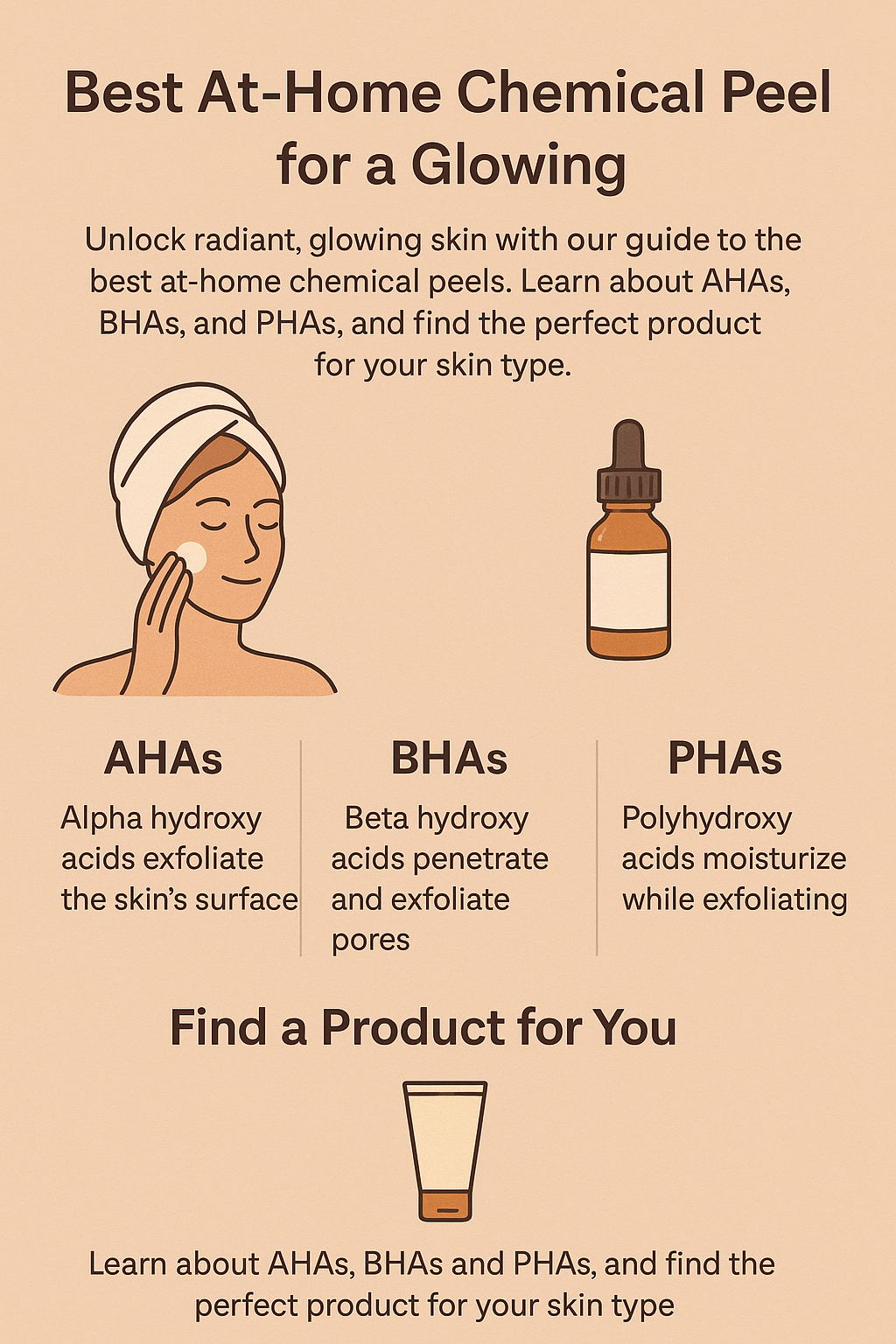
The main players in this exfoliation game are Alpha Hydroxy Acids (AHAs), Beta Hydroxy Acids (BHAs), and Polyhydroxy Acids (PHAs).
The Acid Trio: AHA, BHA, and PHA
Each acid type targets different skin concerns and depths, making the choice crucial for your desired “glowing” result.
| Acid Type | Primary Function | Best For |
|---|---|---|
| AHA (Alpha Hydroxy Acid) | Water-soluble, exfoliates the skin’s surface. | Dullness, fine lines, and dry skin. (e.g., Glycolic, Lactic Acid) |
| BHA (Beta Hydroxy Acid) | Oil-soluble, penetrates pores to clear congestion. | Acne, blackheads, and oily skin. (e.g., Salicylic Acid) |
| PHA (Polyhydroxy Acid) | Large molecule, gentle surface exfoliation. | Sensitive skin and those new to peels. (e.g., Gluconolactone) |
For a truly glowing complexion, a peel that combines AHAs and BHAs is often the most effective choice, as it addresses both surface radiance and pore clarity.
The Benefits of At-Home Peels for a Radiant Look ✨
The pursuit of a glowing complexion is a common goal, and chemical peels are one of the most direct routes to achieving it.
The benefits extend far beyond simple exfoliation.
They are a powerful tool for skin renewal.
One of the primary benefits is the immediate brightening effect.
By removing the layer of dead skin cells, your skin instantly looks less dull and more vibrant.
Furthermore, peels help to fade hyperpigmentation, such as sun spots and post-acne marks, leading to a more even skin tone.
The increased cell turnover also stimulates collagen production over time, which contributes to a firmer, plumper, and more youthful glow.
According to experts, chemical peels are beneficial for the appearance of many skin conditions including aging, acne, hyperpigmentation, and even sensitive skin. Read more about the comprehensive benefits of chemical peels here.
The key to success is consistency and choosing the right product for your skin’s needs.
Top At-Home Chemical Peels for the Ultimate Glow 🏆
Based on expert reviews and ingredient profiles, we have curated a list of the top contenders for the title of Best at-home chemical peel for a glowing complexion.
These products balance efficacy with safety, making them ideal for home use.
1. Best Overall: Shani Darden Triple Acid Signature Peel
This peel is a powerhouse, combining glycolic, lactic, and mandelic acids.
It’s designed to deliver professional-grade results without the downtime.
The blend of AHAs ensures maximum surface exfoliation for an unparalleled glow.
It is particularly well-suited for people with normal, oily, acne-prone, or mature skin types seeking significant radiance.
2. Best for Beginners: Dermalogica Liquid Peelfoliant
If you are new to the world of chemical exfoliation, starting gentle is key.
This liquid formula is perfect for beginners, featuring a blend of phytic acid, fruit enzymes, and PHAs like gluconolactone.
It offers a gentle yet effective path to a brighter complexion, minimizing the risk of irritation.
It’s an excellent choice for those with fine lines, dull skin, or large pores who need a gradual introduction to acids.
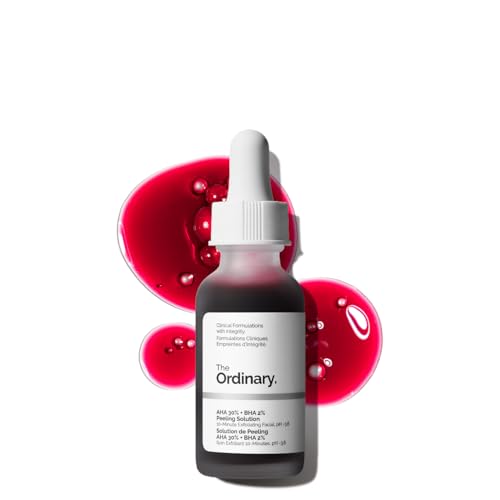
3. Best Budget-Friendly: The Ordinary AHA 30% + BHA 2% Peeling Solution
This iconic “vampire peel” is a cult favorite for a reason.
It contains a high concentration of acids, offering a dramatic, immediate glow.
It is highly effective for experienced users looking to tackle stubborn acne scarring and achieve a healthy, lit-up look.
However, due to its potency, it is not recommended for beginners or those with sensitive skin.
The powerful peel utilizes a concentration of 30% glycolic acid to dissolve dead skin cells, dirt, oil, and more to reveal a smoother, dazzling complexion.
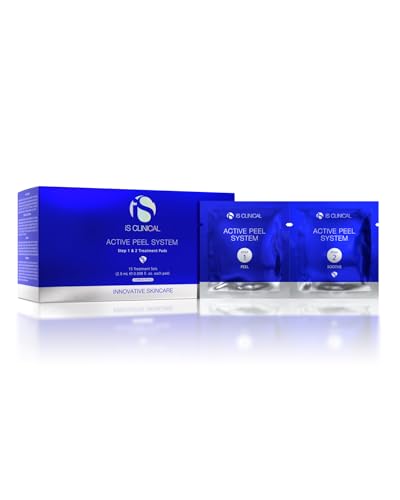
4. Best for Peel Pads: Dr. Dennis Gross Skincare Alpha Beta Extra Strength Daily Peel Pads
For convenience and consistency, these two-step peel pads are unmatched.
Step 1 exfoliates with a blend of AHAs and BHAs.
Step 2 neutralizes the acids and delivers anti-aging ingredients like retinol and resveratrol.
The daily use format ensures continuous cell turnover, which is the ultimate secret to a sustained glow.
This product is a great investment for everyone, especially those targeting fine lines and wrinkles alongside dullness.
Safety First: How to Use Your At-Home Peel Correctly 🛡️
Achieving a glowing complexion requires more than just buying the right product; it demands correct and safe application.
Misusing a chemical peel can lead to irritation, burns, and hyperpigmentation, which is the opposite of a glow!
Dermatologists emphasize the importance of following instructions precisely.
Here are the essential steps for a safe and effective at-home peel experience:
- Patch Test is Non-Negotiable: Always apply a small amount of the product to an inconspicuous area, like behind your ear or on your forearm, 24 hours before full application. This is a crucial step to check for any adverse reactions.
- Clean and Dry Skin: Apply the peel to freshly cleansed and completely dry skin. Any moisture can dilute the acid or cause it to penetrate unevenly, leading to hot spots and irritation.
- Mind the Time: Never leave the peel on longer than the instructions recommend. Most at-home peels are designed to be left on for a very short duration, often just a few minutes. The Cleveland Clinic warns against being tempted to leave it on longer.
- Neutralize and Rinse: Follow the product’s instructions for rinsing or neutralizing. Some peels require a specific neutralizing solution, while others are simply rinsed off with cool water.
- Post-Peel Care is Key: Your skin will be sensitive. Apply a gentle, hydrating moisturizer and, most importantly, a broad-spectrum sunscreen with an SPF of 30 or higher. Sun protection is mandatory after any chemical exfoliation.
- Frequency: Peels shouldn’t be used very often. Once or twice a week is usually sufficient. Over-exfoliating will compromise your skin barrier and lead to redness and sensitivity.
For a visual guide on how to safely apply an at-home peel, check out this helpful video:
Understanding the correct technique is paramount to achieving that desired glow without compromising your skin’s health.
A dermatologist’s perspective on the process can be invaluable.
Learn more about the complete chemical peel process from a medical expert.
The Role of Different Acids in Achieving Radiance 🍎
To truly master the glow, you must understand the specific actions of the most common acids.
Glycolic acid, a type of AHA, is the smallest molecule, allowing it to penetrate deeply and quickly.
This makes it highly effective for reducing fine lines and boosting overall brightness.
However, its small size also means it can be more irritating, especially for sensitive skin.
Lactic acid, another AHA, is larger and also a humectant, meaning it draws moisture into the skin.
This makes it a gentler choice that exfoliates while simultaneously hydrating, leading to a dewy, plump glow.
Salicylic acid, the most common BHA, is oil-soluble, which is why it is a hero ingredient for those with oily or acne-prone skin.
It dives deep into the pores to dissolve the sebum and dead cells that cause breakouts, resulting in clearer, smoother skin that glows from within.
For those with sensitive skin, PHAs like gluconolactone are a game-changer.
Their large molecular structure means they stay on the surface, providing gentle exfoliation with minimal irritation.
This gentle action is still enough to improve skin texture and contribute to a subtle, healthy glow.
Choosing the right acid blend is the most critical decision in your peel journey.
This beginner’s guide to at-home chemical peels offers more detail on acid selection.
Beyond the Peel: Maintaining Your New Glow 🌟
A chemical peel is a fantastic jump-start, but maintaining that glowing complexion requires a consistent routine.
The new skin revealed by the peel is delicate and needs protection and nourishment.
Hydration is absolutely crucial.
Look for serums and moisturizers rich in hyaluronic acid and ceramides to repair and strengthen the skin barrier.
Never skip sunscreen, as the newly exposed skin is highly susceptible to sun damage, which can quickly reverse the benefits of the peel and cause new hyperpigmentation.
Consider incorporating Vitamin C into your morning routine.
This powerful antioxidant brightens the skin, protects against environmental damage, and works synergistically with your peel to enhance the glow.
Remember that consistency is the true secret to long-term skin health and radiance.
Your peel is a treatment, not a cure.
Regular, gentle maintenance is what keeps the glow going.
For more tips on post-peel care and long-term maintenance, this video provides excellent advice:
The benefits of chemical peels are well-documented, extending to improved acne, pores, and post-inflammatory hyperpigmentation.
You can explore the full range of benefits from a health perspective here.
Another great resource for application techniques is this tutorial:
Conclusion: Your Path to a Luminous Complexion 💖
The journey to finding the Best at-home chemical peel for a glowing complexion is a personal one, but the principles remain the same.
Start by understanding your skin type and its needs.
Choose a product with the right blend of AHAs, BHAs, or PHAs.
Always prioritize safety by patch testing and strictly adhering to the application time.
Whether you opt for the professional-grade power of the Shani Darden peel or the budget-friendly efficacy of The Ordinary, you are taking a significant step toward a more radiant you.
Remember, the glow is not just about the product; it’s about the knowledge and care you put into your routine.
Embrace the process, be patient, and prepare to see a truly transformative difference in your skin.
Happy peeling! 🤓
For a final check on safety and best practices, consult this guide from the Cleveland Clinic.