
Introduction: Defining the Recessed Chin 🤓
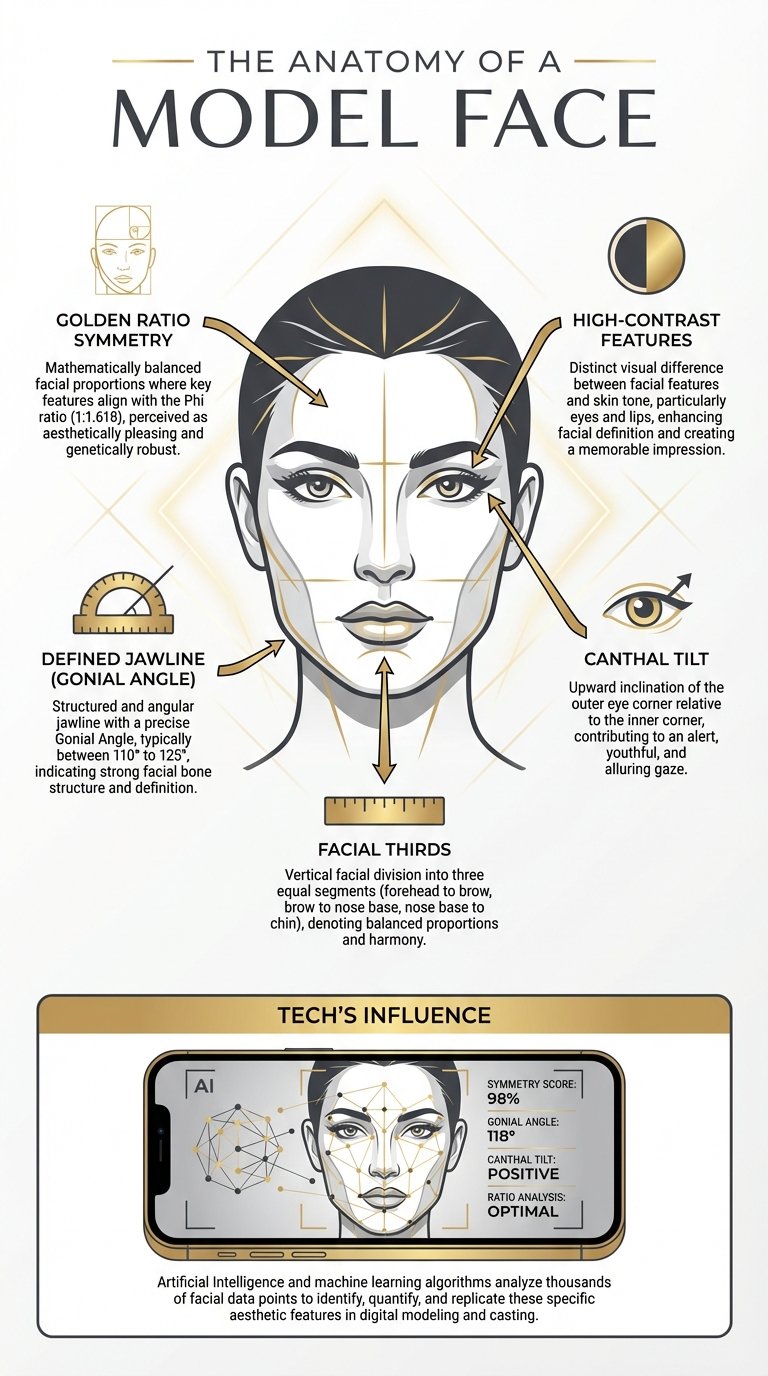
A strong, well-defined chin is a cornerstone of facial harmony and a key indicator of an attractive profile.
Conversely, a recessed chin, medically known as microgenia or retrognathia, can create the appearance of a weak jawline, an overbite, or even a double chin.
Traditionally, the most definitive solution for this skeletal issue was surgical chin augmentation (mentoplasty) or orthognathic surgery.
However, thanks to advancements in cosmetic and orthodontic fields, a variety of highly effective non-surgical methods are now available to enhance the chin and jawline.
These options range from minimally invasive cosmetic procedures to long-term lifestyle and posture modifications.
This comprehensive guide explores the best ways to achieve a more projected and balanced chin without ever having to go under the knife.
Option 1: The Quick Fix—Dermal Fillers 💉
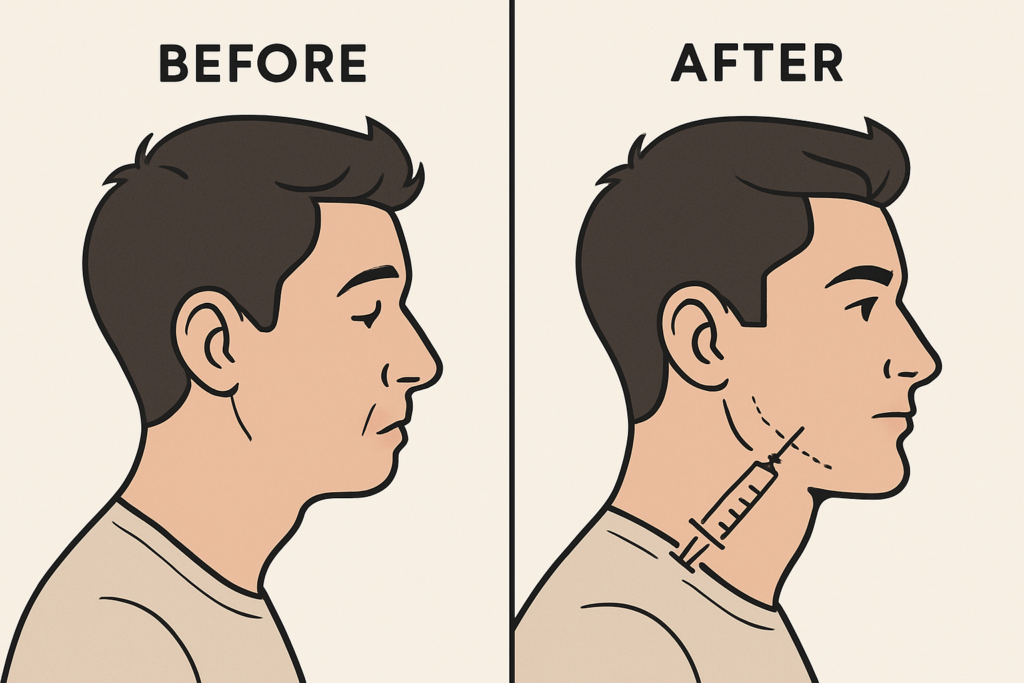
For adults seeking immediate and noticeable results, non-surgical chin augmentation using dermal fillers is the gold standard.
This procedure involves injecting a thick, structural filler—typically a hyaluronic acid-based product like Juvederm or Restylane—deep into the chin area.
The filler acts as a temporary implant, adding volume and projection to the chin bone (mandible).
The process is quick, often taking less than 30 minutes, and requires minimal downtime, making it a popular “lunchtime lift.”
Fillers are ideal for individuals with mild to moderate chin recession who are looking for a subtle to moderate enhancement Dermal Fillers for Chin Augmentation.
The results are immediate and can last anywhere from 12 to 24 months, depending on the type of filler used and the patient’s metabolism.
A major advantage is that the procedure is reversible, offering a low-risk way to “test drive” a more projected chin before considering permanent surgical options.
It is crucial to choose an experienced injector, as the chin area is complex and requires an artistic eye to maintain facial harmony.
Dermal fillers offer the fastest, most predictable non-surgical route to a stronger chin profile.
Option 2: The Structural Fix—Orthodontic Treatment 🦷
For cases where the recessed chin is caused by an underlying bite issue, such as a severe overbite (Class II malocclusion), orthodontic treatment is the most effective non-surgical solution.
In growing children and adolescents, orthodontists can use appliances like headgear, functional appliances, or specialized braces to guide the growth of the jaw and bring the lower jaw forward.
This process, known as growth modification, can permanently correct the skeletal discrepancy while the bones are still pliable.
For adults, traditional braces or clear aligners (like Invisalign) can correct dental alignment, which often improves the appearance of the chin, even if the skeletal structure remains unchanged.
In more complex adult cases, a non-surgical approach called the Face Lift Dentistry® method uses specialized restorations to correct the bite, which can reposition the jaw and improve the chin’s projection Non-Surgical Jaw Correction.
This approach focuses on optimizing the relationship between the upper and lower teeth, which in turn can bring the lower jaw into a more forward and aesthetically pleasing position.
While this is a longer-term commitment than fillers, the results are often permanent and address the root cause of the recession.
Option 3: The Lifestyle Fix—Mewing and Posture 🧘
The concept of “mewing,” popularized by Dr. Mike Mew, suggests that proper tongue posture can influence the development and position of the jaw and chin.
The technique involves resting the entire tongue flat against the roof of the mouth, which is believed to encourage the upper jaw (maxilla) to move forward and upward.
Proponents claim that this upward and forward growth can lead to a more defined jawline and a less recessed chin over time.
While the scientific community remains skeptical about its ability to drastically alter adult bone structure, the practice emphasizes the importance of proper oral posture, which is undeniably linked to facial development Mewing and Jawline Exercises.
Beyond the tongue, overall body posture plays a significant role.
A forward head posture, common with excessive screen time, causes the neck muscles to shorten and the lower jaw to drop back, instantly making the chin appear more recessed.
Correcting this posture—by keeping the head upright and the ears aligned over the shoulders—can immediately improve the appearance of the chin and jawline.
Focusing on correct tongue and body posture is a free, daily habit that supports long-term facial aesthetics.
Comparing Non-Surgical Options 📊
Choosing the right method depends on the severity of the recession, your age, and your desired timeline for results. 💡
| Method | Mechanism | Target Patient | Duration of Results |
|---|---|---|---|
| Dermal Fillers | Injectable volume to augment soft tissue and bone contour. | Adults with mild to moderate recession. | 12–24 Months (Temporary) |
| Orthodontics/Appliances | Corrects underlying bite/jaw alignment. | Children (Growth Modification) & Adults (Bite Correction). | Permanent (Structural Change) |
| Mewing/Posture | Habitual correction of tongue and head position. | All ages, especially during growth years. | Permanent (Habit-dependent) |
For the most comprehensive and lasting results, a combination of these methods is often recommended.
For instance, an adult might use fillers for immediate aesthetic improvement while simultaneously undergoing orthodontic treatment to address the underlying bite issue.
The Role of Genetics and Growth 🧬
It is important to acknowledge that the primary cause of a recessed chin is often genetic, relating to the inherited size and position of the mandible.
However, environmental factors—such as mouth breathing, poor tongue posture, and improper swallowing patterns—can exacerbate a genetic predisposition.
These habits can prevent the jaw from achieving its full genetic potential for forward growth.
This is why early intervention, particularly in children, is so critical.
By addressing poor oral habits and utilizing functional orthodontic appliances, it is possible to guide the jaw’s growth trajectory in a more favorable direction.
For adults, while bone growth is complete, the soft tissues and muscles can still be manipulated to create a more defined look.
Jaw and neck exercises, while not changing the bone, can strengthen the muscles around the jawline, improving the contour and reducing the appearance of a double chin.
Understanding the interplay between genetics and environment is key to choosing the right non-surgical path.
Conclusion: A Balanced Profile is Achievable 💯
A recessed chin is a common aesthetic concern, but it is no longer a problem that requires mandatory surgery.
Whether you opt for the instant gratification of dermal fillers, the structural correction of orthodontics, or the long-term commitment of posture and oral habit correction, a stronger profile is within reach.
The key is to consult with qualified professionals—a cosmetic injector for fillers, and an orthodontist or maxillofacial specialist for structural issues—to create a personalized treatment plan.
Remember that facial aesthetics are about balance and harmony, not just projection.
A successful non-surgical chin fix will enhance your entire profile, bringing your features into better proportion.
Embrace the power of non-invasive techniques to sculpt the profile you desire.
Key Takeaways and Actionable Steps ✅
- Immediate Fix: Dermal fillers are the best option for a quick, temporary, and reversible chin enhancement.
- Permanent Fix: Orthodontic treatment, especially in growing patients, can structurally correct the underlying bite issue causing the recession.
- Daily Habit: Practice proper tongue posture (mewing) and maintain correct head and neck posture to maximize chin projection.
- Professional Guidance: Always seek advice from a specialist (Dermatologist, Plastic Surgeon, or Orthodontist) to determine the cause and best non-surgical treatment.
- Holistic View: Chin recession is often linked to other factors like bite and posture; a holistic approach yields the best results.
Your ideal profile is closer than you think, and surgery is no longer the only answer.
Start your journey to a stronger jawline today! 📌