
When we think of facial aging, our minds often jump to wrinkles, sagging skin, and loss of fat volume. 💡
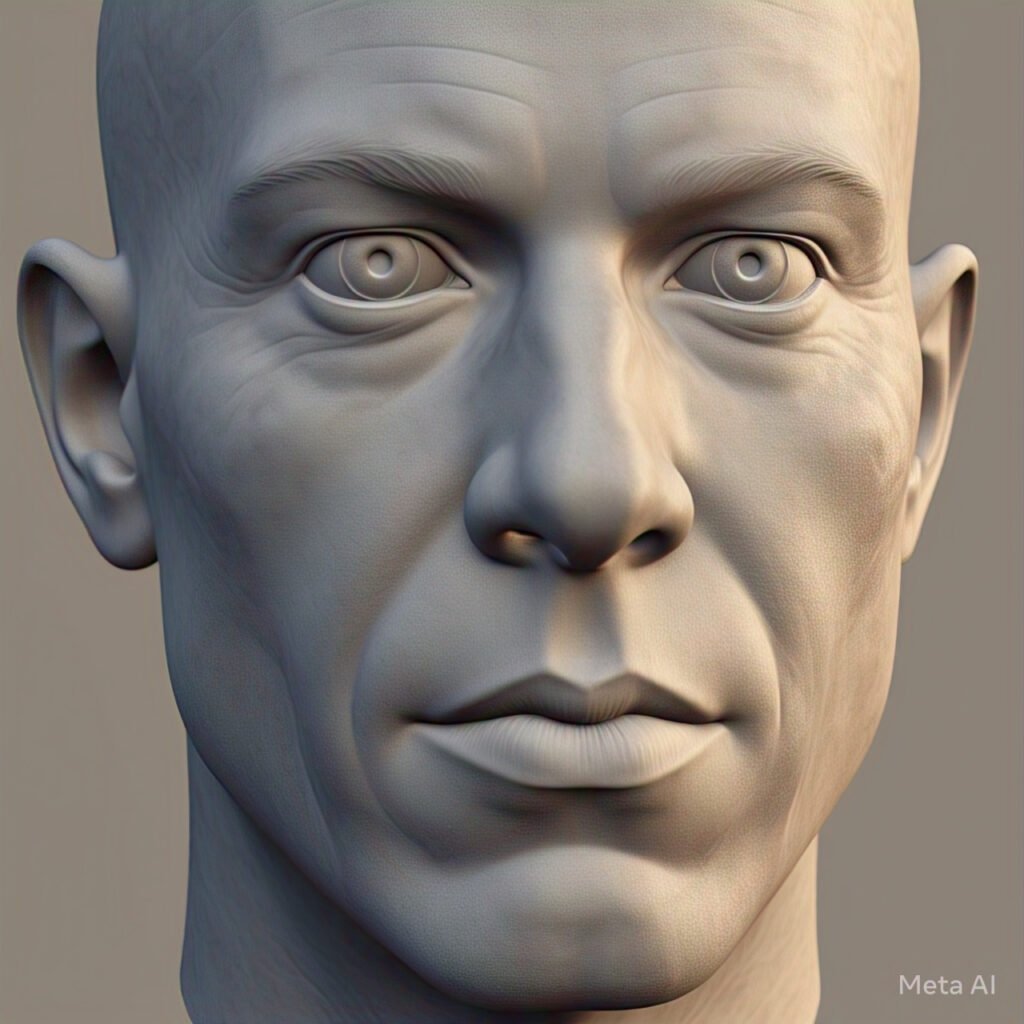
However, the most fundamental changes occur beneath the surface, within the facial skeleton itself [1].
Just like the rest of the body, the bones of the face undergo a process of resorption and remodeling as we age.
This loss of bone mass and change in structure is a critical, yet often overlooked, component of the aging process [2].
Understanding these skeletal shifts is essential to truly grasp why our faces change shape over time.
The aesthetic consequences of this bone loss are profound, contributing to many of the classic signs of an aging face.
The Process of Facial Bone Resorption (Osteoporosis) 🦴
The facial skeleton experiences a decrease in bone mineral density, a process similar to the osteoporosis seen in the axial skeleton [3].
This is not a uniform process; certain areas of the face are more prone to bone loss than others.
The loss of skeletal support causes the overlying soft tissues—muscles, fat pads, and skin—to lose their scaffolding, leading to descent and deflation.
This phenomenon is known as facial bone resorption, and it is a key driver of age-related changes in facial contour [4].
The bones do not simply shrink; they remodel, with some areas experiencing resorption (loss) and others experiencing apposition (growth), though resorption is dominant in key aesthetic zones.
The Maxilla: Mid-Face Collapse and Tear Troughs 📉
The maxilla, or the upper jawbone, is one of the most dramatically affected bones in the aging face [1].
Resorption in the maxilla leads to a loss of projection in the mid-face and cheek area.
This loss of anterior support is a primary cause of the deepening of the nasolabial folds (smile lines) and the formation of the tear-trough deformity under the eyes.
As the bone recedes, the fat pads that once rested upon it are no longer supported, causing them to slide downward and inward.
The orbital rim, the bone surrounding the eye socket, also enlarges with age, making the eyes appear more sunken and hollow [2].
The Mandible: Loss of Jawline Definition and Jowls 📐
The mandible, or lower jawbone, also undergoes significant age-related changes, leading to a loss of the sharp, defined jawline of youth [5].
The length and height of the mandible decrease, particularly along the lower border and in the chin area.
Crucially, the gonial angle—the corner of the jaw—tends to increase with age, becoming more obtuse and less defined [1].
This blunting of the mandibular angle contributes directly to the loss of definition in the lower face.
The loss of skeletal support in the prejowl area, combined with the descent of soft tissue, makes the jowls appear more prominent and heavy.
In women, bone resorption is often more pronounced along the chin area, while men may experience a greater loss of mandibular angle definition [4].
Aesthetic Consequences of Skeletal Aging 👵
The changes in the underlying bone structure have a cascading effect on the entire facial aesthetic.
The face transitions from a youthful, inverted triangle shape to a more bottom-heavy, square shape.
The following table summarizes the key skeletal changes and their visible aesthetic outcomes:
| Skeletal Area | Age-Related Change | Aesthetic Consequence |
|---|---|---|
| Maxilla (Mid-Face) | Loss of anterior projection and volume. | Deepening of nasolabial folds, mid-face flattening, and cheek descent. |
| Mandible (Lower Jaw) | Decrease in height and length; blunting of the gonial angle. | Loss of jawline definition, increased jowl prominence, and chin recession. |
| Orbital Rim (Eye Socket) | Enlargement of the bony opening and recession of the rim. | Sunken eyes, prominent under-eye bags, and tear-trough deformity. |
| Temporal Bone | Loss of volume in the temple area. | Hollowing of the temples, contributing to a “skeletal” appearance. |
The cumulative effect is a face that appears to be collapsing inward and downward, a phenomenon that cannot be fully addressed by treating only the skin or fat [3].
Mitigating the Effects of Facial Bone Aging 🛡️
While bone resorption is a natural part of aging, there are strategies to mitigate its effects and maintain a more youthful facial structure.
Maintaining overall bone health is paramount, which includes a diet rich in calcium and Vitamin D, and regular weight-bearing exercise.
These lifestyle factors support bone density throughout the entire skeleton, including the face.
From an aesthetic perspective, modern cosmetic treatments are increasingly focused on addressing this underlying skeletal loss.
Dermal fillers, particularly those with a high G-prime (firmness), are often used to mimic the lost bone structure.
By strategically placing fillers directly onto the bone in areas like the maxilla, orbital rim, and jawline, practitioners can restore the foundational support that has been lost [5].
This approach provides a more natural and lasting rejuvenation than simply treating wrinkles or superficial sagging.
The goal is to rebuild the scaffolding of the face, which in turn lifts and supports the overlying soft tissues.
This is a significant shift in anti-aging philosophy, moving from a “lift and pull” approach to a “replace and restore” approach.
The Future of Facial Rejuvenation 🚀
The understanding that the face ages as a unit—involving bone, fat, muscle, and skin—has revolutionized aesthetic medicine.
Future treatments will likely continue to focus on maintaining and restoring skeletal volume.
For instance, research into bone-stimulating therapies and materials that integrate seamlessly with the facial skeleton is ongoing.
In the meantime, a holistic approach that combines excellent skincare, fat volume restoration, and strategic bone support is the most effective way to combat the visible signs of aging.
Remember that the changes are gradual, and early intervention can be highly effective in slowing the appearance of skeletal aging.
Consulting with a board-certified professional who understands the intricacies of facial bone aging is the best first step. 🤓
External Resources and Scientific References 📚
For further reading and scientific context, please consult the following high-authority sources:
- [1] Changes in the Facial Skeleton With Aging – PMC
- [2] Aging of the facial skeleton: aesthetic implications and… – PubMed
- [3] Facial Bones Show Signs of Aging Too – American Society of Plastic Surgeons
- [4] How Does the Mandible Age? Comprehensive Artificial… – PRS Global Open
- [5] How Bone and Fat Loss in the Face Changes with Age – Revival Labs
Video Tutorials for Practice 🎥
To see visual explanations of these concepts, check out these helpful videos:
The foundation of a youthful face is the bone beneath it, and understanding its changes is the first step to effective rejuvenation. 💯