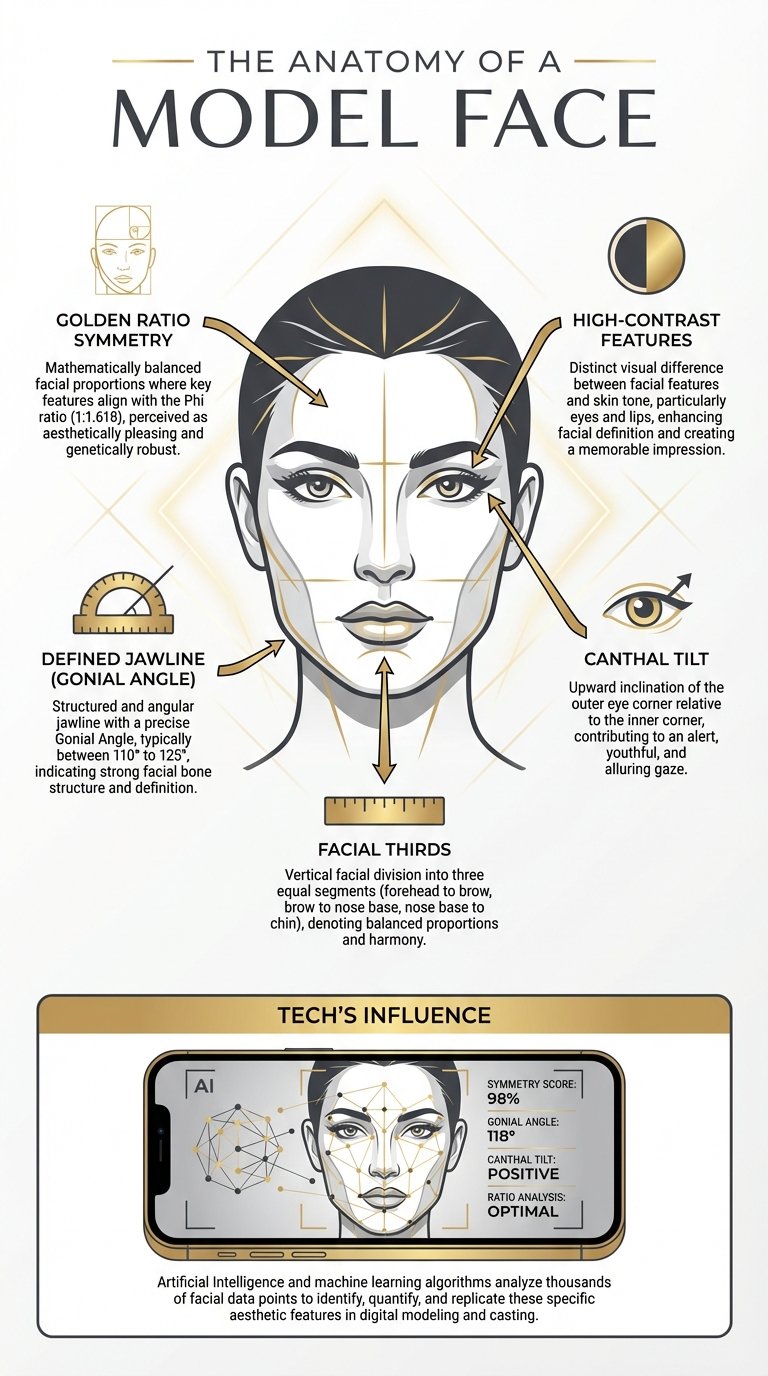




Timportance of the maxilla in overall facial aestheticshe Central Pillar of the Face:
Why the Maxilla is Key to Aesthetics 👑
In the quest for facial beauty, attention is often drawn to the most prominent features: the eyes, the lips, and the sharp angle of the jawline. 💡
However, the true foundation of a harmonious and attractive face lies in a bone that is often overlooked: the maxilla, or the upper jawbone [1].
The maxilla is the central architectural element of the mid-face, serving as the keystone that connects the entire facial skeleton.
Its position, size, and projection are critical determinants of overall facial aesthetics, influencing everything from the prominence of the cheekbones to the support of the eyes and nose.
A well-developed maxilla is the hallmark of a youthful, balanced, and aesthetically pleasing face, while a retruded or underdeveloped maxilla can lead to a host of aesthetic and functional issues.
Anatomy and Function: The Maxilla’s Central Role 🦴
The maxilla is a pair of fused bones that form the upper jaw, the roof of the mouth, the floor of the nasal cavity, and the floor of the orbits (eye sockets) [2].
Unlike the mobile mandible (lower jaw), the maxilla is fixed, providing a stable platform for the upper teeth and the entire mid-face structure.
Its complex structure means it forms key connections with almost every other bone in the face, including the nasal bones, the zygomatic bones (cheekbones), and the palatine bones.
This central position makes it the primary determinant of mid-face projection and volume.
The maxilla’s health and development are not just aesthetic concerns; they are deeply intertwined with vital functions such as breathing, speech, and the proper alignment of the bite.
A healthy, forward-projecting maxilla is often associated with open airways and correct tongue posture, which are foundational to overall health and facial development.
The Aesthetic Cascade: Maxilla’s Influence on Key Features 🌟
The position of the maxilla creates a cascade of aesthetic effects across the entire face.
Its forward projection is what gives the face a three-dimensional, convex profile, which is universally considered attractive.
Cheekbone Projection and Mid-Face Volume 🍎
The maxilla forms a significant part of the infraorbital rim and connects directly to the zygomatic bones, which create the prominence of the cheekbones.
A maxilla that is well-developed and positioned forward provides the necessary support and projection for the overlying soft tissues of the mid-face.
This results in high, defined cheekbones and a full, youthful mid-face contour.
Conversely, a retruded maxilla, a condition known as maxillary hypoplasia, leads to a flattened mid-face, making the cheekbones appear less prominent and the face look older and more concave in profile [3].
This lack of skeletal support is a major contributor to the early descent of the malar fat pads, which creates the deep nasolabial folds and the tired look often associated with aging.
Orbital Support and Eye Aesthetics 👀
As the floor of the orbit, the maxilla directly supports the eyeball and the soft tissues around the lower eyelid.
A strong maxilla provides a solid base, preventing the appearance of a sunken eye or a prominent tear trough deformity.
When the maxilla recedes with age, the orbital rim appears to enlarge, and the soft tissues lose support, leading to the formation of dark circles, eye bags, and the visible groove of the tear trough [4].
The aesthetic difference between a youthful, supported eye area and an aged, hollowed one is often a direct reflection of the underlying maxillary bone volume.
Nasal Base and Profile Harmony 👃
The maxilla forms the anterior nasal spine, which is the bony support for the tip of the nose and the nasolabial angle.
The projection of the maxilla is therefore crucial for the aesthetic harmony of the nose and the upper lip.
In cases of maxillary hypoplasia, the nose can appear disproportionately large or prominent, even if its size is normal, creating a condition known as pseudoprognathism [5].
Correcting a retruded maxilla often improves the appearance of the nose and the balance of the entire profile without any direct nasal surgery.
Furthermore, the width of the maxilla influences the width of the nasal base, with maxillary expansion procedures often leading to a subtle, positive widening of the nasal alar base [6].
The Maxilla and Facial Aging: A Vicious Cycle ⏳
The maxilla is the bone that undergoes the most dramatic resorption with aging, a process that begins relatively early in adulthood [4].
This age-related bone loss is not just a consequence of aging; it actively drives the visible signs of facial aging.
As the maxilla shrinks and recedes, the entire mid-face structure collapses, leading to:
- Increased Skin Laxity: The skin and soft tissues have less underlying structure to cling to, accelerating the appearance of sagging.
- Deepening of Folds: The lack of anterior support causes the nasolabial folds to deepen and the marionette lines to become more pronounced.
- Mandibular Angle Blunting: The entire facial framework is affected, indirectly contributing to the blunting of the mandibular angle and the formation of jowls.
The maxilla’s role in aging is so central that modern facial rejuvenation techniques, such as dermal fillers and skeletal-based surgery, are increasingly focused on restoring its lost volume and projection.
Maxillary Development and Orthotropics 👶
The concept of orthotropics, which focuses on guiding facial growth, places the maxilla at the center of its philosophy.
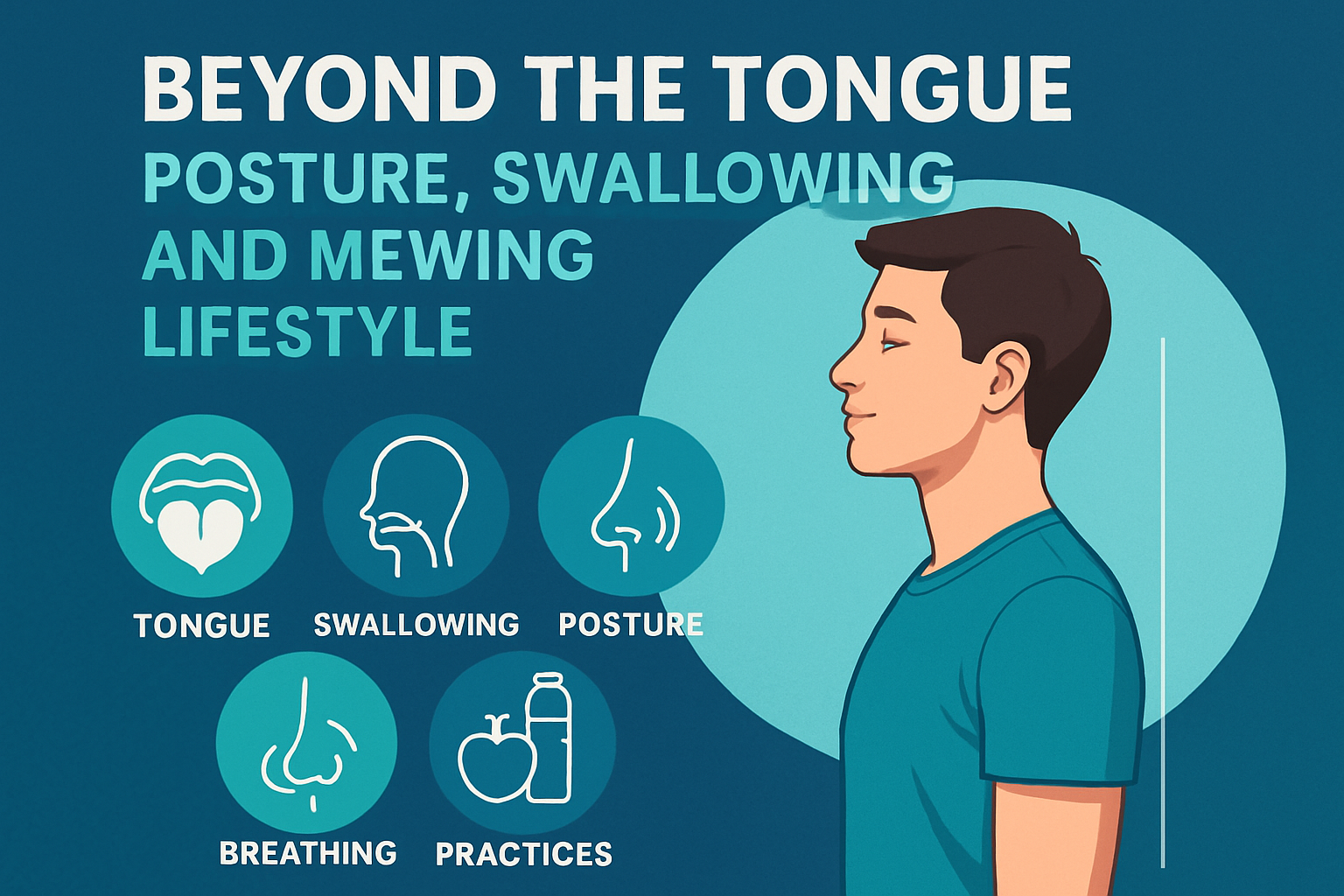
Proponents argue that correct oral posture, particularly keeping the tongue resting on the palate (Mewing), provides a constant, gentle upward and forward force on the maxilla.
This force is believed to encourage the maxilla to grow in a more favorable direction during the developmental years, leading to a more prominent mid-face, better cheekbone definition, and a wider dental arch.
While the scientific community remains cautious about the extent of skeletal change achievable in adults, the principle highlights the importance of the maxilla’s position in determining the final facial structure.
Poor habits, such as chronic mouth breathing and incorrect tongue posture, are thought to allow the maxilla to drop and recede, leading to the long, flat face and poor aesthetics often associated with this pattern of growth.
Clinical Interventions for Maxillary Enhancement 🛠️
For individuals with significant maxillary hypoplasia, surgical and non-surgical interventions can be used to restore or enhance the maxilla’s projection.
| Intervention Type | Mechanism of Action | Aesthetic Outcome |
|---|---|---|
| Orthognathic Surgery (Le Fort I) | Surgical repositioning of the maxilla forward and/or upward. | Dramatic improvement in mid-face projection, nasal base support, and overall facial harmony. |
| Maxillary Expansion (RME) | Orthodontic device used to widen the maxilla and the dental arch. | Wider smile, improved nasal breathing, and subtle widening of the nasal base. |
| Dermal Fillers | Injection of hyaluronic acid or other volumizers directly onto the bone. | Restoration of lost mid-face volume, reduction of tear troughs, and lifting of nasolabial folds. |
| Orthodontics | Teeth movement to correct bite issues related to maxillary position. | Improved dental aesthetics and functional bite, contributing to overall facial balance. |
These interventions highlight the fact that the maxilla is a key target for professionals seeking to achieve significant and lasting improvements in facial aesthetics and function.
The most successful facial aesthetic outcomes are those that recognize and address the underlying skeletal framework, with the maxilla being the most critical component of the mid-face.
A strong, well-positioned maxilla is the secret to a beautiful, youthful, and harmonious face. 🤓
External Resources and Scientific References 📚
For further reading and scientific context, please consult the following high-authority sources:
- [1] Anatomy, Head and Neck, Maxilla – StatPearls – NCBI Bookshelf
- [2] Maxilla – an overview – ScienceDirect
- [3] Pseudoprognathism, or maxillary hypoplasia: definition, causes, and treatments – Instituto Maxilofacial
- [4] Changes in the Facial Skeleton With Aging – PMC
- [5] Facial Bone Anatomy: Overview, Mandible, Maxilla – Medscape
Video Tutorials for Practice 🎥
To see visual explanations of these concepts, check out these helpful videos:
The maxilla is truly the unsung hero of facial aesthetics, and its proper development and maintenance are paramount for a beautiful and functional face. 💯