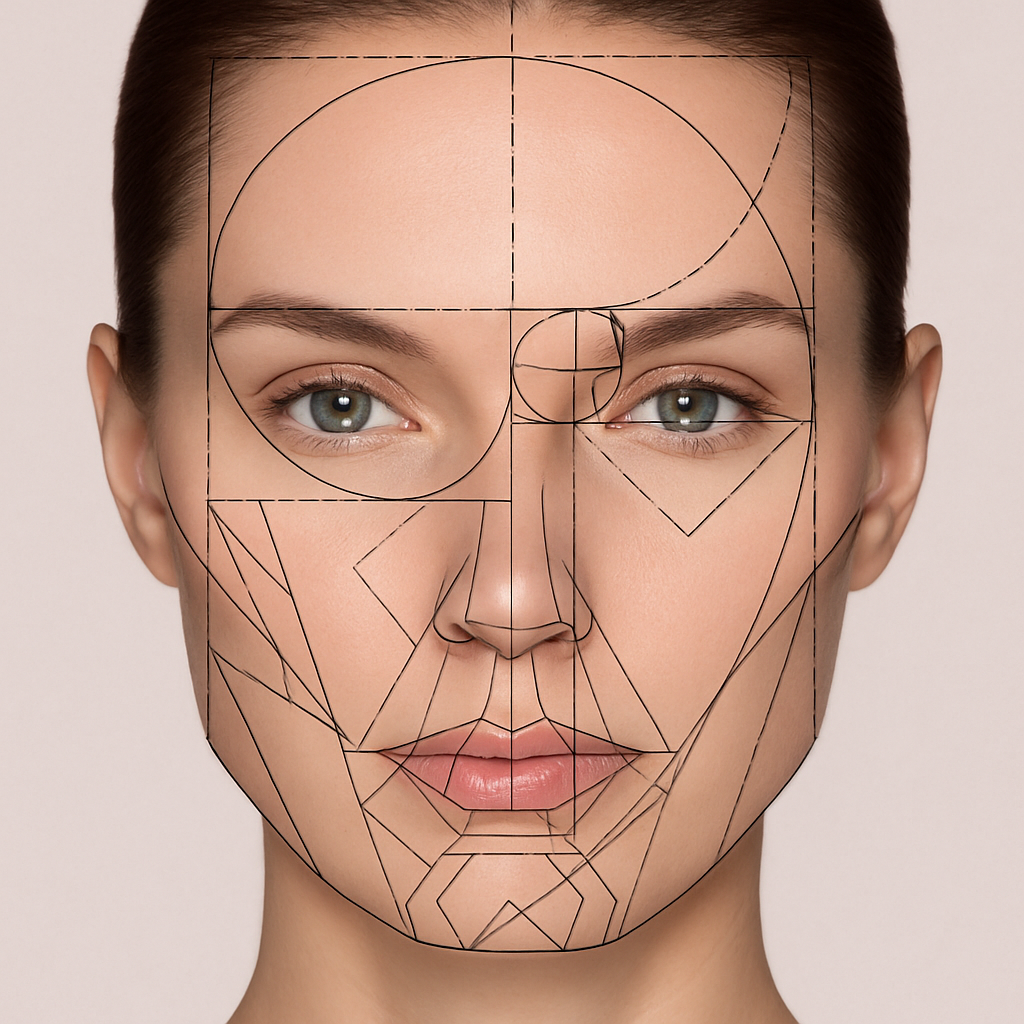




The Unseen Architects: How Genes Shape Your Face 🧬
Every human face is a unique masterpiece, a complex tapestry woven from a blend of inherited traits and environmental influences. 🎨
While we can observe the final product—the shape of a nose, the prominence of a chin, the width of a jaw—the underlying blueprint is encoded in our DNA. 📜
The question of how much of our facial bone structure is determined by genetics, and how much by external factors, is a long-standing one in anthropology, genetics, and orthodontics. 🧐
Modern research, particularly through advanced 3D imaging and twin studies, has begun to unravel the complex genetic architecture of craniofacial morphology. 🔬
The truth is that genetics play a profound and often dominant role in determining the skeletal framework of the face. [1]
Understanding this genetic blueprint is the first step toward appreciating the intricate science behind your unique facial features. 🌟
Quantifying Heritability: The Twin Study Revelation 👯
To determine the relative contribution of genetics to facial features, scientists often turn to twin studies. 🧑🔬
By comparing the facial similarities of identical (monozygotic) twins, who share 100% of their genes, with fraternal (dizygotic) twins, who share about 50%, researchers can estimate the heritability of specific traits. 📏
The results from these studies are compelling, indicating that the skeletal structure of the face is highly heritable. ✅
The Percentage of Genetic Control 📊
A landmark 3D population-based twin study found that the genetic influence on overall facial form ranged from 38.8% to a staggering 78.5%. [2]
This means that for many key facial dimensions, genetics account for the majority of the variation observed in the population. 🤯
Specific facial parameters, such as facial size (height), nose dimensions (width, prominence, and height), and inter-ocular distance, showed heritability of 70% and above. 📈
This high degree of genetic control underscores why family members often share striking facial resemblances, particularly in the underlying bone structure. 👨👩👧👦
| Facial Feature | Estimated Heritability (Range) | Significance |
|---|---|---|
| Overall Facial Form | 38.8% to 78.5% | Genetic factors are the dominant influence on the overall shape of the face. |
| Nose Prominence/Height | ~70% and above | The size and projection of the nose are strongly determined by inherited genes. |
| Mandibular (Jaw) Shape | High Heritability (Specific components vary) | Jaw size and growth pattern (e.g., prognathism) are largely genetically controlled. |
| Inter-Ocular Distance | ~70% and above | The spacing between the eyes is a highly stable, genetically determined trait. |
The Molecular Machinery: Key Developmental Genes 🔑
The development of the craniofacial complex is one of the most intricate processes in human embryogenesis. 👶
It involves the precise migration, proliferation, and differentiation of cells, particularly the neural crest cells (CNCCs), which form the majority of the facial skeleton. 🔬
This process is orchestrated by a complex network of genes, and mutations or variations in these genes can lead to significant differences in facial structure, from normal variation to craniofacial anomalies. 🤯
The Homeobox and Signaling Pathways 🛣️
Among the most critical players are the Homeobox (Hox) genes, which are master regulators of body plan development. 👑
While Hox genes are more famous for limb and trunk development, related gene families, such as the MSX and PAX genes, are vital for facial development. [3]
These genes control the timing and location of bone formation in the maxilla and mandible. ⏰
Other crucial signaling pathways include: 📢
- Sonic Hedgehog (SHH): Essential for the patterning of the midface and the separation of the eyes. Variations can lead to conditions like holoprosencephaly, but subtle variations also contribute to normal facial shape differences. 🦔
- Bone Morphogenetic Proteins (BMPs): A group of growth factors that induce bone and cartilage formation. They are critical for the growth of the jawbones and the sutures of the skull. 🦴
- Transcription Factors (e.g., RUNX2): These proteins bind to DNA and control the expression of other genes involved in bone formation. RUNX2 is a key regulator of osteoblast (bone-building cell) differentiation. 🛠️
The interplay of these genes determines the final size, shape, and relationship of the facial bones, dictating everything from the angle of the jaw to the projection of the chin. 📐
Nature vs. Nurture: The Environmental Modifiers 🌳
While genetics provides the blueprint, the environment acts as the sculptor, refining and modifying the final form. 🗿
The remaining percentage of facial variation is attributed to non-genetic factors, which include both prenatal and postnatal influences. 🌍
Biomechanical Forces and Epigenetics 🏋️
Postnatal environmental factors primarily involve biomechanical forces, which are the pressures and stresses exerted on the facial bones. 💪
These include: 🗣️
- Mastication (Chewing): The force and frequency of chewing, often influenced by diet, can stimulate bone growth and remodeling, particularly in the mandible. A hard, fibrous diet can lead to a more robust jaw structure. 🍎
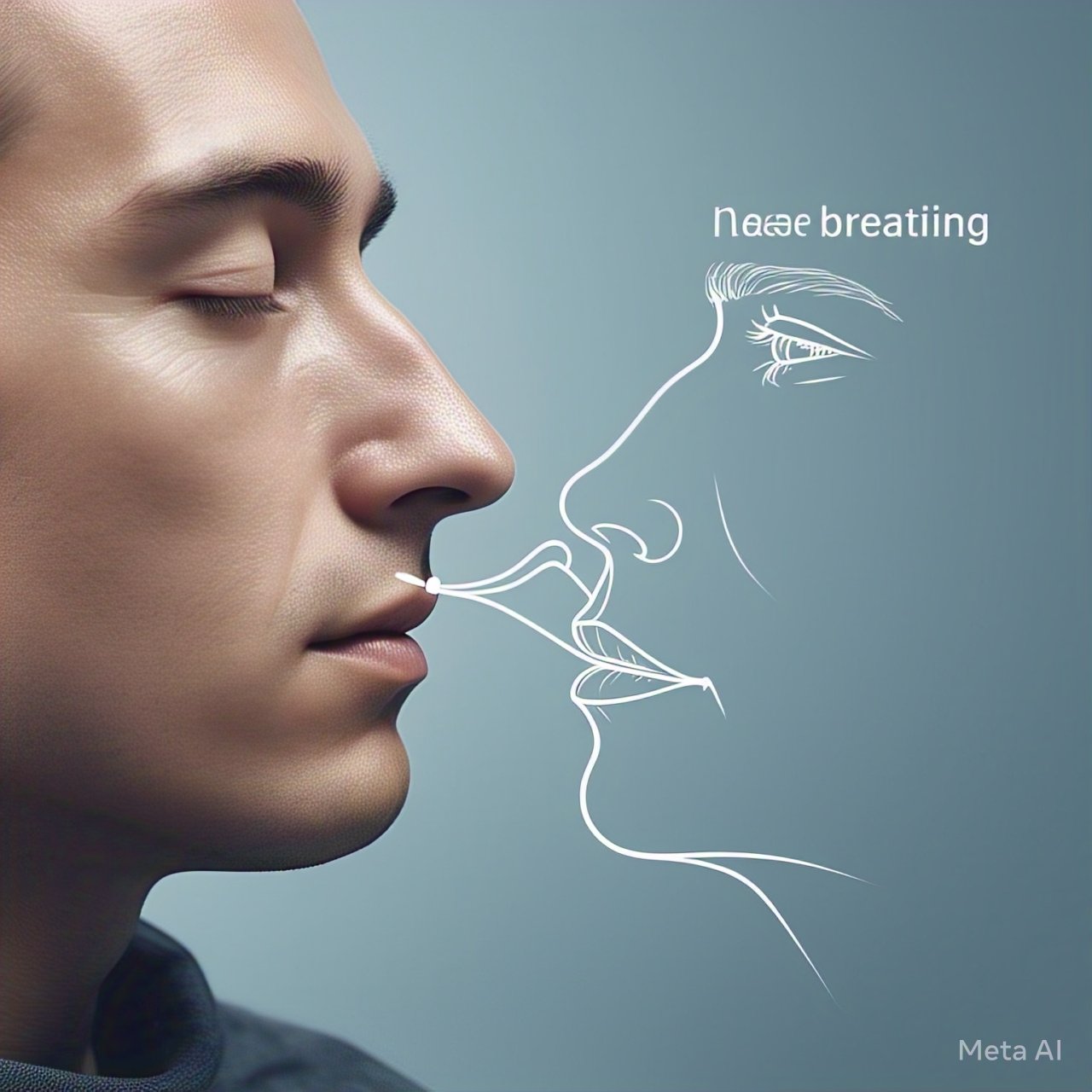
- Breathing Pattern: Chronic mouth breathing, often due to allergies or airway obstruction, can lead to a downward and backward rotation of the mandible, resulting in a longer, narrower face (Long Face Syndrome). Nasal breathing is crucial for optimal facial development. 👃
- Tongue Posture: The resting position of the tongue against the palate is a continuous, light force that influences the development of the maxilla. This is the core principle behind Orthotropics and “Mewing.” 👅
These environmental factors do not change the underlying genetic code, but they can influence how those genes are expressed—a concept known as epigenetics. 🔄
For example, a person with a genetic predisposition for a broad jaw may still develop a narrower one if they are a chronic mouth breather from a young age. 😔
Clinical Relevance: Orthodontics and Aesthetics 🩺
The strong genetic component of facial bone structure has profound implications for clinical practice. 🏥
Orthodontists and maxillofacial surgeons must consider the patient’s genetic potential when planning treatment. 🎯
For instance, a severe skeletal discrepancy, such as a significant underbite (Class III malocclusion), often has a strong genetic basis. 🧬
In these cases, non-surgical treatments may only address the dental compensation, while surgical intervention may be required to correct the underlying skeletal issue. 🔪
Conversely, understanding the genetic tendency for certain features allows for more accurate prediction of growth and relapse after treatment. 🔮
The Future of Facial Genetics 💡
The field of facial genetics is rapidly advancing, with researchers continually identifying new genetic loci associated with specific facial features. 🔬
In the future, it may be possible to use an individual’s genetic profile to predict their facial development with even greater accuracy. 🔮
This could revolutionize personalized medicine, allowing for highly targeted and preventative interventions to guide facial growth toward an optimal outcome. 🌟
For now, the key takeaway is that while you cannot change your genetic blueprint, you can certainly optimize the environmental factors to allow your genetic potential to be fully realized. ✅
Conclusion: A Balance of Inheritance and Influence ⚖️
Your facial bone structure is a beautiful and complex product of your genetic inheritance, significantly shaped by the genes that control craniofacial development. 💖
However, the final expression of this genetic potential is always modulated by environmental factors, particularly the biomechanical forces of breathing, chewing, and posture. 🌍
By focusing on these modifiable factors, you can work with your genetic blueprint to achieve the healthiest and most aesthetically pleasing facial structure possible. 🎯
Further Exploration and Resources 📚
To delve deeper into the fascinating world of facial genetics, explore these authoritative resources: 🔬
Exploring the Underlying Genetics of Craniofacial Morphology through Various Sources of Knowledge
Facial Genetics: A Brief Overview
Genetic and environmental impact on mandibular growth in children: A systematic review
Genetic contributions to craniofacial growth: a review
Visual Guides to Facial Genetics 🎥
For a visual understanding of the genetic and developmental processes, these videos offer valuable insights: 📺
Your face is a story of your ancestors and your life. Read it well! 💖