


The Quest for a Sharper Jawline: Understanding the Gonial Angle 📐
The pursuit of a chiseled, well-defined jawline has become a significant trend in modern aesthetics. 💡
More specifically, attention is often focused on the gonial angle, which is the anatomical corner of your lower jaw.
This angle, where the vertical part of the jaw (ramus) meets the horizontal part (corpus), plays a crucial role in the overall structure and definition of your face [1].
A smaller, more acute gonial angle is typically associated with a stronger, more angular facial profile, often perceived as more attractive or “masculine” in appearance.
Conversely, a larger, more obtuse angle can contribute to a softer, rounder look.
While genetics primarily dictate your bone structure, there are several natural, non-surgical methods that enthusiasts and some professionals suggest can help you achieve a more defined gonial angle and a sharper jawline over time.
These methods focus on muscle development, fat reduction, and, most importantly, correct facial posture.
The Science Behind the Angle: Anatomy and Aesthetics 🦴
To understand how to change the gonial angle, we must first appreciate its anatomy.
The gonial angle is an anthropometric parameter of the mandible, or lower jawbone, which is a key determinant of facial shape [4].
In simple terms, it is the corner of your jawbone, and its size is influenced by a complex interplay of factors.
These factors include age, gender, and, critically, the development of the masseter muscle, which is the primary muscle used for chewing [1].
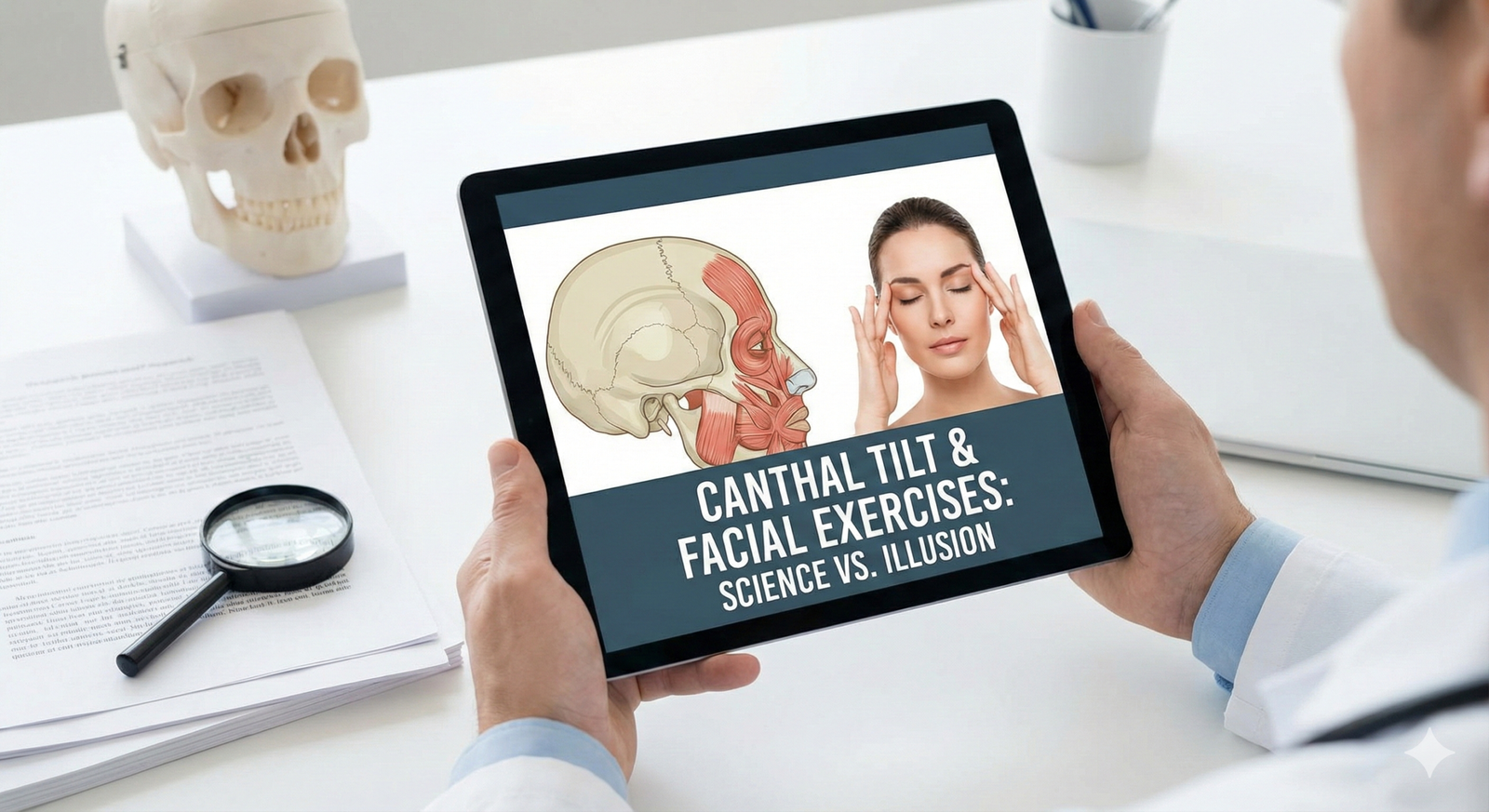
The masseter muscle attaches near the gonial angle, and just like any other muscle in the body, it can hypertrophy—or grow larger—with consistent use.
A well-developed masseter muscle can add volume and definition to the jaw’s corner, creating the illusion of a sharper angle.
However, it is important to note that significant, permanent changes to the bone structure itself, especially in adults, are not scientifically proven to be achievable through natural methods alone.
The goal of natural techniques is to maximize the definition of the surrounding soft tissues and muscles, thereby enhancing the appearance of the gonial angle.
Mewing: The Cornerstone of Facial Posture 👅
Perhaps the most popular natural method for jawline enhancement is Mewing, a technique named after British orthodontist John Mew and popularized by his son, Michael Mew [2].
Mewing is essentially a practice of correct tongue posture, advocating for the entire tongue to rest against the roof of the mouth, or the palate.
The idea is that this constant, gentle pressure encourages the maxilla (upper jaw) to move forward and upward, which in turn can influence the development of the mandible and the gonial angle.
While the concept is compelling, the American Association of Orthodontists (AAO) and other medical bodies caution that there is no strong scientific evidence to support the claim that Mewing can permanently reshape the jawbone in adults [2] [3].
Despite the lack of clinical trials, many enthusiasts report anecdotal success, often attributing their improved jawline to the consistent practice of proper tongue posture.
At the very least, correct tongue posture can improve your overall facial appearance by providing better support for the soft tissues under the chin, reducing the appearance of a double chin, and improving breathing.
How to Practice Proper Mewing Technique 📝
Mastering the technique requires consistency and awareness.
The key is to ensure the entire tongue, not just the tip, is suctioned against the palate.
- Close your mouth and gently bring your teeth together without clenching.
- Swallow normally and notice how the back third of your tongue naturally presses against the roof of your mouth.
- Maintain this position, ensuring the back of your tongue is firmly pressed up and back.
- Breathe through your nose exclusively, as mouth breathing is a major contributor to poor facial development.
- The “NG” sound, as in the word “sing,” can help you find the correct position for the back of your tongue.
It is a subtle change that must be maintained throughout the day and night to potentially yield results.
Targeted Jaw and Neck Exercises 💪
Just as you train your biceps or abs, you can perform exercises to strengthen the muscles around your jaw and neck, which contribute significantly to a defined profile.
These exercises primarily target the masseter muscle and the platysma muscle in the neck.
Strengthening these areas can tighten the skin and muscle under the chin, making the jawline appear much sharper [5].
The Chin Lift and Neck Curl-Up 🧘
The chin lift is a simple yet effective exercise for stretching and strengthening the muscles that form the jawline and neck.
It helps to combat the effects of gravity and poor posture.
- Stand or sit straight with your shoulders relaxed.
- Tilt your head back until you are looking at the ceiling.
- Pout your lips as if you are trying to kiss the ceiling, feeling the stretch in your neck and jaw.
- Hold the pout for 5 to 10 seconds, then release.
- Repeat this movement 10 to 15 times per session.
The neck curl-up is a more intense exercise, similar to an abdominal crunch for your neck.
It directly targets the muscles responsible for supporting the chin and neck.
- Lie flat on your back with your tongue pressed against the roof of your mouth (incorporating Mewing).
- Lift your head a few inches off the ground, tucking your chin to your chest.
- Do not lift your shoulders; the movement should isolate the neck muscles.
- Perform 3 sets of 10 repetitions, gradually increasing the number as your strength improves.
The Power of Chewing and Hard Foods 🍎
One of the most natural ways to develop the masseter muscle is through increased chewing resistance.
Our ancestors had much stronger jaws due to a diet of tough, raw, and fibrous foods, which required significant chewing effort.
Modern, processed diets require minimal chewing, leading to underdevelopment of the jaw muscles.
Incorporating hard, fibrous foods like raw carrots, celery, or even specialized chewing gums can provide the necessary resistance to hypertrophy the masseter muscle.
A larger masseter muscle will fill out the area around the gonial angle, giving the appearance of a more square and defined jawline.
However, excessive or unbalanced chewing can lead to issues like temporomandibular joint (TMJ) pain or tension headaches, so moderation is key.
The Critical Role of Body and Head Posture 🧍
Even the sharpest jawline can be obscured by poor head and neck posture.
A forward head posture, often called “text neck,” is a common modern ailment that pushes the head forward and down.
This posture causes the neck muscles to shorten and the soft tissues under the chin to sag, effectively hiding the jawline and making the gonial angle look less defined [5].
Correcting your posture is arguably the fastest and most effective way to instantly improve the appearance of your jawline.
When you sit or stand with your head properly aligned over your spine, your neck elongates, and the skin under your chin naturally tightens.
This simple adjustment can make a dramatic difference in your profile, often more so than any exercise.
Posture Correction Tips for a Defined Profile 🧐
Focus on maintaining a neutral spine and a “tucked” chin position.
The goal is to align your ears directly over your shoulders.
| Posture Element | Action for Jawline Definition |
|---|---|
| Head Position | Gently tuck your chin in, as if making a double chin, then release slightly to a neutral position. This aligns the head over the spine. |
| Shoulders | Roll your shoulders back and down, opening up the chest. This prevents slouching, which contributes to forward head posture. |
| Computer Screen | Ensure your screen is at eye level to prevent you from craning your neck forward. |
| Sleeping | Avoid sleeping on your stomach, which forces your neck into an unnatural position. Sleep on your back with a supportive pillow. |
Consistent awareness of your posture throughout the day is a powerful, often overlooked tool in facial aesthetics.
Lifestyle Factors: Diet and Weight Management 🥗
No amount of Mewing or jaw exercises can fully compensate for excess body fat.
The most common factor obscuring a sharp gonial angle is the presence of submental fat, commonly known as a double chin.
Achieving a lower overall body fat percentage is the most reliable way to reduce fat deposits in the face and neck, thereby revealing the underlying bone structure and muscle definition.
A healthy diet rich in whole foods, low in processed sugars, and adequate hydration will support weight loss and reduce water retention, which can also bloat the face.
Furthermore, reducing sodium intake can significantly decrease facial puffiness, making your features, including the jawline, appear instantly more defined.

Consider this: a low body fat percentage is the ultimate secret weapon for a visible gonial angle.
A Word of Caution: Risks and Expectations ⚠️
While the natural methods discussed are generally safe, it is crucial to approach them with realistic expectations and caution.
The AAO warns that forcing your tongue into unnatural positions or over-exercising your jaw can potentially lead to negative consequences [3].
These risks include:
- Temporomandibular Joint (TMJ) Pain: Excessive chewing or clenching can strain the jaw joint, leading to pain, clicking, or locking.
- Tooth Misalignment: Constant, improper pressure from the tongue can potentially shift teeth, worsening existing bite problems.
- Headaches: Overworking the masseter muscle can lead to tension headaches.
If you experience any pain or discomfort, you should immediately stop the exercises and consult a dental or medical professional.
Remember that genetics play the largest role in your facial structure, and while you can enhance what you have, you cannot fundamentally change your skeletal framework as an adult without surgical intervention.
The goal is to optimize your natural potential through consistency in posture, targeted muscle work, and overall health.
Summary of Natural Jawline Enhancement Strategies 📌
Achieving a more defined gonial angle naturally is a holistic process that combines conscious facial posture, muscle strengthening, and healthy lifestyle choices.
It is a marathon, not a sprint, and requires dedication to daily habits.
| Strategy | Primary Benefit | Key Action |
|---|---|---|
| Mewing (Tongue Posture) | Supports maxilla, tightens submental tissues, and improves breathing. | Keep the entire tongue suctioned to the roof of the mouth at all times. |
| Jaw Exercises | Hypertrophy of the masseter muscle, adding volume and definition to the angle. | Perform chin lifts, neck curl-ups, and chew hard, fibrous foods consistently. |
| Correct Posture | Instantly reveals the jawline by tightening the neck and submental area. | Maintain a neutral head position with ears aligned over shoulders. |
| Weight Management | Reduces submental fat, which is the biggest obstacle to a defined jawline. | Maintain a healthy body fat percentage through diet and exercise. |
By integrating these practices into your daily routine, you can maximize your natural potential for a sharper, more defined gonial angle and a more confident profile. 🤓
External Resources and Scientific References 📚
For further reading and scientific context, please consult the following high-authority sources:
- [1] Association of Mandible Anatomy with Age, Gender, and… – PMC
- [2] Mewing & Jawline Exercises – WebMD
- [3] What is Mewing, and Does it Work? | American Association of Orthodontists
- [4] 5 Exercises for a Defined Jawline: Getting Started, Safety – WebMD
- [5] 7 Ways to Get a Defined Jawline and a Sharper Facial Profile – Novuskin
Video Tutorials for Practice 🎥
To see these techniques in action, check out these helpful videos:
We hope this comprehensive guide empowers you on your journey to a more defined gonial angle and a sharper profile! 💯