

Explore the profound impact of a square chin on facial attractiveness in both men and women. Delve into the science of jawline aesthetics, from the evolutionary signals of masculinity and strength to the modern perception of beauty. Discover how a chiseled jawline influences first impressions, what makes it a coveted feature in modeling, and the subtle differences in how a square chin is perceived across genders. This comprehensive guide breaks down the biological and cultural factors that make the square chin a timeless symbol of facial power and appeal.
The Evolutionary Psychology of the Square Chin
The square chin, often characterized by a broad, angular jawline and a flat base, is one of the most striking and debated facial features in the world of aesthetics and attractiveness. It is a feature that carries significant weight, influencing perceptions of strength, confidence, and overall facial harmony. The question of “square chin attractiveness” is not a simple yes or no; rather, it is a complex interplay of biology, culture, and individual preference.
From an evolutionary psychology perspective, facial features serve as reliable indicators of underlying genetic quality and health. The square chin represents one of the most prominent sexual dimorphic traits in humans. In men, the square chin is almost universally associated with masculinity and dominance. This perception is rooted in evolutionary biology. A strong, square jawline is often a secondary sexual characteristic, linked to higher levels of testosterone during development. This hormonal link signals good health and genetic fitness, making it an attractive trait to potential mates.
Research in evolutionary psychology suggests that women consistently prefer male faces with stronger, more masculine features during the fertile phase of their menstrual cycle. The chiseled, angular look suggests a powerful bone structure, which historically translated to a man’s ability to protect and provide. This is why many male models and leading men in cinema possess this feature; it projects an image of ruggedness and unwavering resolve. The perception of a square chin in men is one of a “heroic” or “alpha” feature, conveying a sense of maturity and authority.
Testosterone and Facial Development
The relationship between testosterone and jawline development begins during puberty. Testosterone stimulates the growth of the mandible (lower jaw bone), resulting in a wider, more pronounced jawline. This development creates the characteristic square shape that distinguishes masculine from feminine facial structures. Studies have shown that men with higher testosterone levels tend to have broader faces with more prominent jawlines, which correlates with perceptions of dominance and masculinity.
Beyond mere appearance, the square chin serves as an honest signal of genetic quality. The development of such pronounced facial features requires significant energy resources during growth periods, indicating that individuals with strong jawlines likely had adequate nutrition and minimal childhood illnesses. This makes the square chin not just a marker of masculinity, but also an indicator of developmental stability and overall health.
Cultural Variations in Jawline Preferences

While evolutionary factors provide a universal foundation for jawline preferences, cultural influences create fascinating variations in how square chins are perceived across different societies. In Western cultures, particularly in North America and Europe, the square chin has long been celebrated as the epitome of masculine beauty. From classic Hollywood stars like Kirk Douglas and Henry Cavill to contemporary actors like Chris Hemsworth, the strong jawline remains a consistent feature of male sex symbols.
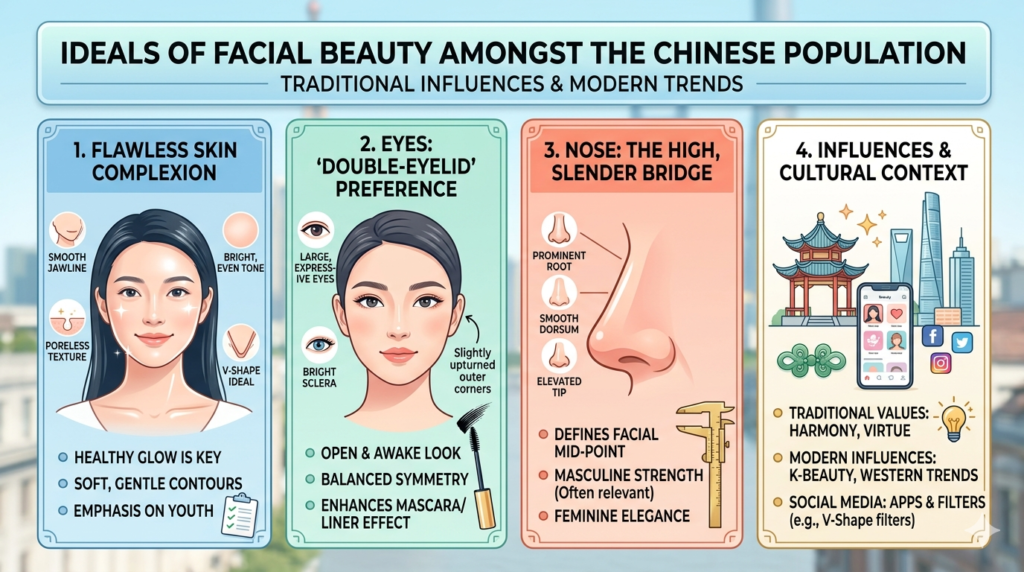
In Asian cultures, however, preferences have historically leaned toward softer, more V-shaped jawlines. The “egg-shaped” face with a delicate chin has been traditionally prized in countries like Korea and Japan. This preference is reflected in the popularity of cosmetic procedures aimed at creating narrower, more tapered jawlines rather than enhancing square features. However, globalization and the spread of Western media have begun to shift these preferences, creating a more hybrid ideal that incorporates elements of both aesthetic traditions.
African and Middle Eastern cultures often place strong emphasis on facial symmetry and balanced proportions, with the square chin valued as part of this harmonious arrangement. In many traditional societies, a strong jawline is associated with leadership qualities and social dominance, reflecting similar evolutionary preferences seen in Western cultures but interpreted through unique cultural lenses.
The Media’s Role in Shaping Preferences
Mass media plays a crucial role in reinforcing and sometimes reshaping cultural preferences for jawlines. The consistent portrayal of heroes and successful individuals with strong jawlines creates powerful associations between this facial feature and positive character traits. From superhero comics to action movies, the square-jawed protagonist has become a cultural archetype that influences real-world attractiveness standards.
Social media platforms have further amplified these preferences through filters and editing tools that allow users to enhance their jawlines digitally. The popularity of “jawline filters” on platforms like Instagram and TikTok demonstrates the ongoing cultural valorization of this feature, particularly among younger generations who consume and create content that reinforces the attractiveness of defined jawlines.
The Science of Facial Attractiveness: Beyond the Jawline
While the square chin plays a significant role in facial attractiveness, it exists within a complex system of facial proportions and features. The science of facial attractiveness often points to the facial width-to-height ratio (FWHR). A higher FWHR, which is often a characteristic of a square face and chin, has been linked to perceptions of dominance and aggression in men. However, research also suggests that a certain degree of angularity and definition in the lower third of the face is a key component of a universally attractive face, regardless of gender.
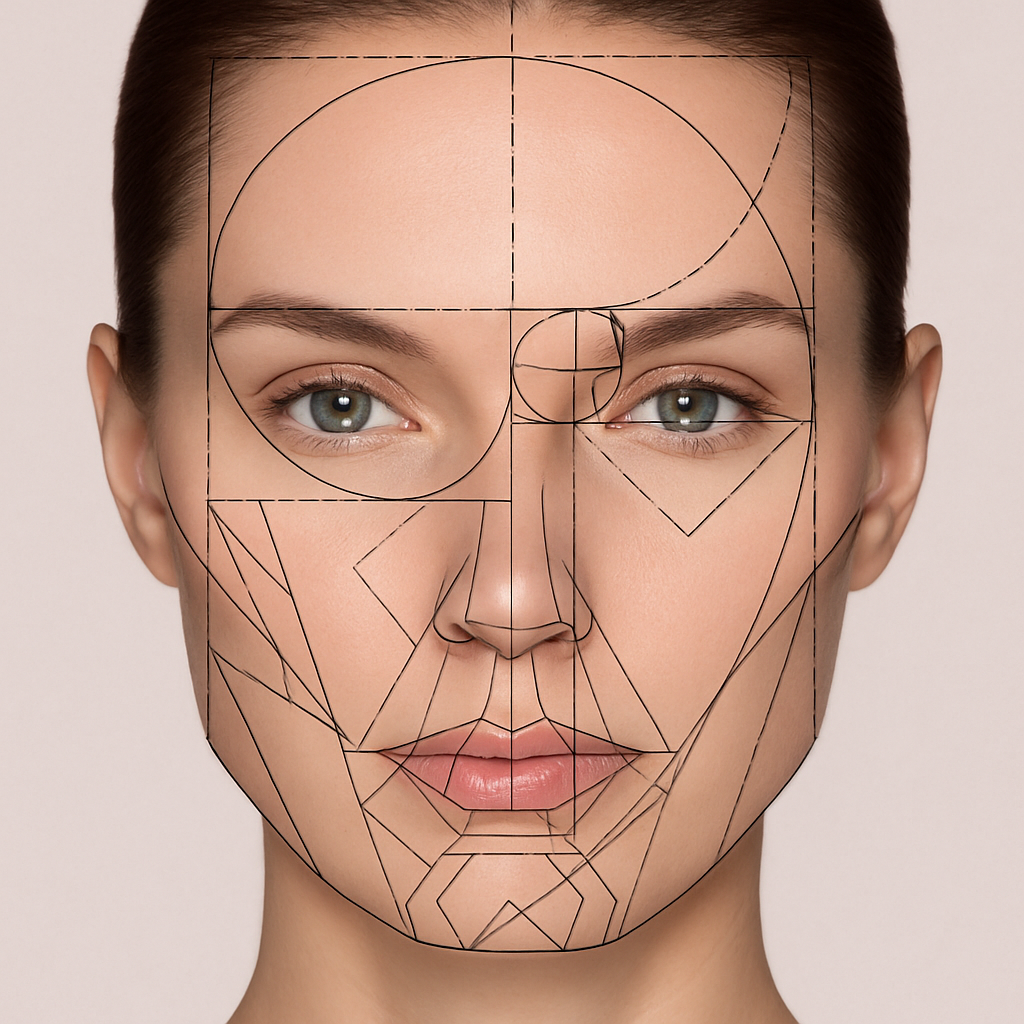
The golden ratio, approximately 1.618:1, appears frequently in studies of facial attractiveness. When applied to the lower face, this ratio suggests that an ideal chin should be about two-thirds the width of the mouth when viewed from the front. The square chin often naturally approximates these proportions, contributing to its perceived attractiveness. Additionally, the sharp transition from the jaw to the neck, known as the jaw-neck angle, is a critical factor. A well-defined, square chin ensures a crisp, clean line in this area, which is a hallmark of youth and fitness.
Research using eye-tracking technology has revealed that viewers consistently spend more time looking at the lower third of the face when assessing attractiveness, particularly in male faces. This visual attention pattern underscores the importance of the jawline in overall facial appeal. The square chin acts as a visual anchor that draws attention and provides a strong foundation for the entire facial structure.
Facial Harmony and Proportional Analysis
The attractiveness of a square chin depends significantly on its relationship with other facial features. Ideal facial proportions suggest that the face should be divided into equal horizontal thirds: from hairline to brow, brow to nose base, and nose base to chin. The square chin typically occupies the lower third, and its proportions should balance with the forehead and midface.
Vertical proportions are equally important. The ideal face is roughly 1.5 times longer than it is wide, and a square chin can either enhance or disrupt this ratio depending on its size and prominence. When properly proportioned, the square chin creates a sense of stability and balance that contributes significantly to overall facial attractiveness.
Computer modeling studies have demonstrated that while extreme squareness can be perceived as overly aggressive, moderate squareness combined with other balanced features consistently rates as highly attractive. This suggests that the ideal jawline strikes a balance between strength and refinement, providing the benefits of both masculinity and approachability.
Gender Differences in Square Chin Perception
The perception of a square chin varies significantly between genders, reflecting different evolutionary pressures and social expectations. For women, the perception of a square chin is more nuanced. While the ideal female face is often described as softer, with a more tapered or oval chin, a square chin on a woman can still be highly attractive, albeit in a different way. It is less about overt masculinity and more about conveying a sense of strength, sophistication, and high fashion.
In the modeling industry, a strong jawline on a woman is often prized for its ability to create dramatic angles and definition in photographs. It gives the face a distinct, memorable structure that stands out from the crowd. When balanced with other feminine features—such as high cheekbones, full lips, and large eyes—the square chin contributes to a look of striking, unconventional beauty. It suggests a woman who is confident and has a strong sense of self.
The key to its attractiveness in women lies in the balance; it should be defined without being overly broad or heavy. Many celebrated beauties throughout history, from Grace Kelly to Keira Knightley, have possessed slightly square jawlines that contributed to their distinctive, elegant appearances. These women demonstrate how a strong jawline in females can convey intelligence, capability, and refined beauty rather than masculine traits.
Androgyny and Modern Beauty Standards
Contemporary beauty standards increasingly celebrate androgynous features that blend masculine and feminine characteristics. The square chin on women fits perfectly within this trend, offering a combination of strength and elegance that challenges traditional gender norms. This shift reflects broader cultural changes toward gender equality and the celebration of diverse beauty ideals.
In male attractiveness, the square chin remains a consistently valued feature, but its interpretation has evolved. While traditional masculinity emphasized sheer dominance, modern ideals often incorporate elements of sensitivity and emotional intelligence. The square chin now signals not just physical strength but also stability and reliability—qualities that remain attractive but align with contemporary understandings of masculinity.
Cross-cultural studies reveal interesting variations in these gender perceptions. In some Scandinavian countries, for example, slightly softer jawlines in men are often preferred, reflecting cultural values that prioritize egalitarianism and approachability over traditional dominance displays. These variations demonstrate how biological preferences interact with cultural values to produce diverse beauty standards.